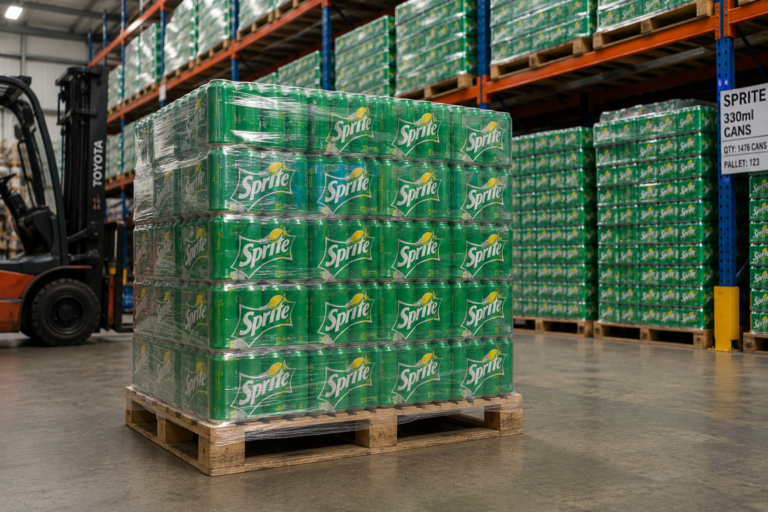
Wholesale Soft Drinks in Europe: Strategic Guide for 2026 Buyers
The Wholesale Soft Drinks market in Europe is evolving rapidly as importers, distributors, supermarkets, and hospitality businesses shift toward more structured, cost-efficient bulk purchasing models.
Today’s professional buyers are no longer just comparing brands—they are optimizing entire supply chains, focusing on pallet efficiency, logistics reliability, product turnover speed, and long-term supplier stability.
This guide breaks down how the European wholesale beverage ecosystem works, including sourcing formats, brand selection, logistics structures, compliance requirements, and emerging market opportunities for 2026.
European Wholesale Soft Drinks Market Landscape
Europe remains one of the most organized beverage distribution regions in the world, supported by:
- Strong cross-border EU trade systems
- Advanced cold-chain and pallet logistics networks
- High supermarket penetration
- Stable demand from the retail and hospitality sectors
- Increasing shift toward low-sugar beverage consumption
Industry data from the UNESDA Soft Drinks Europe highlights consistent investment in sustainability, reduced sugar formulations, and recyclable packaging across major beverage manufacturers.
For wholesalers, this means more stable supply chains—but also increased competition and tighter margins, making sourcing strategy more important than ever.
Core Wholesale Soft Drinks Supply Formats
Professional beverage buyers in Europe typically purchase in three structured formats. Each one affects pricing, logistics, and scalability.
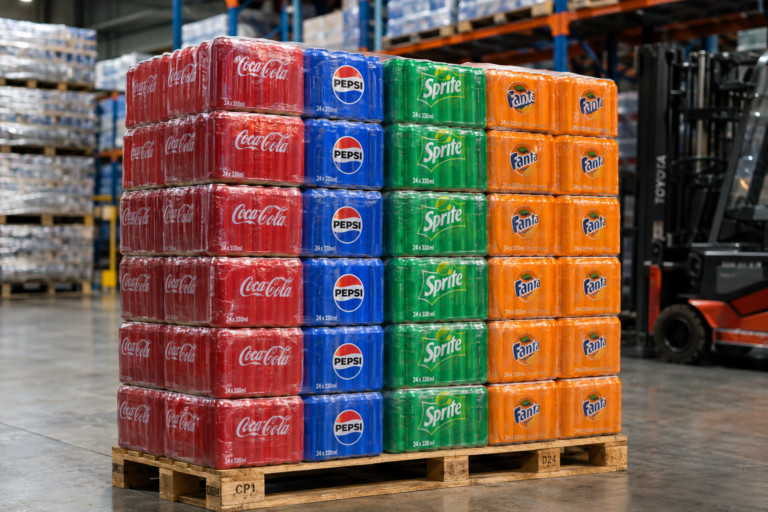
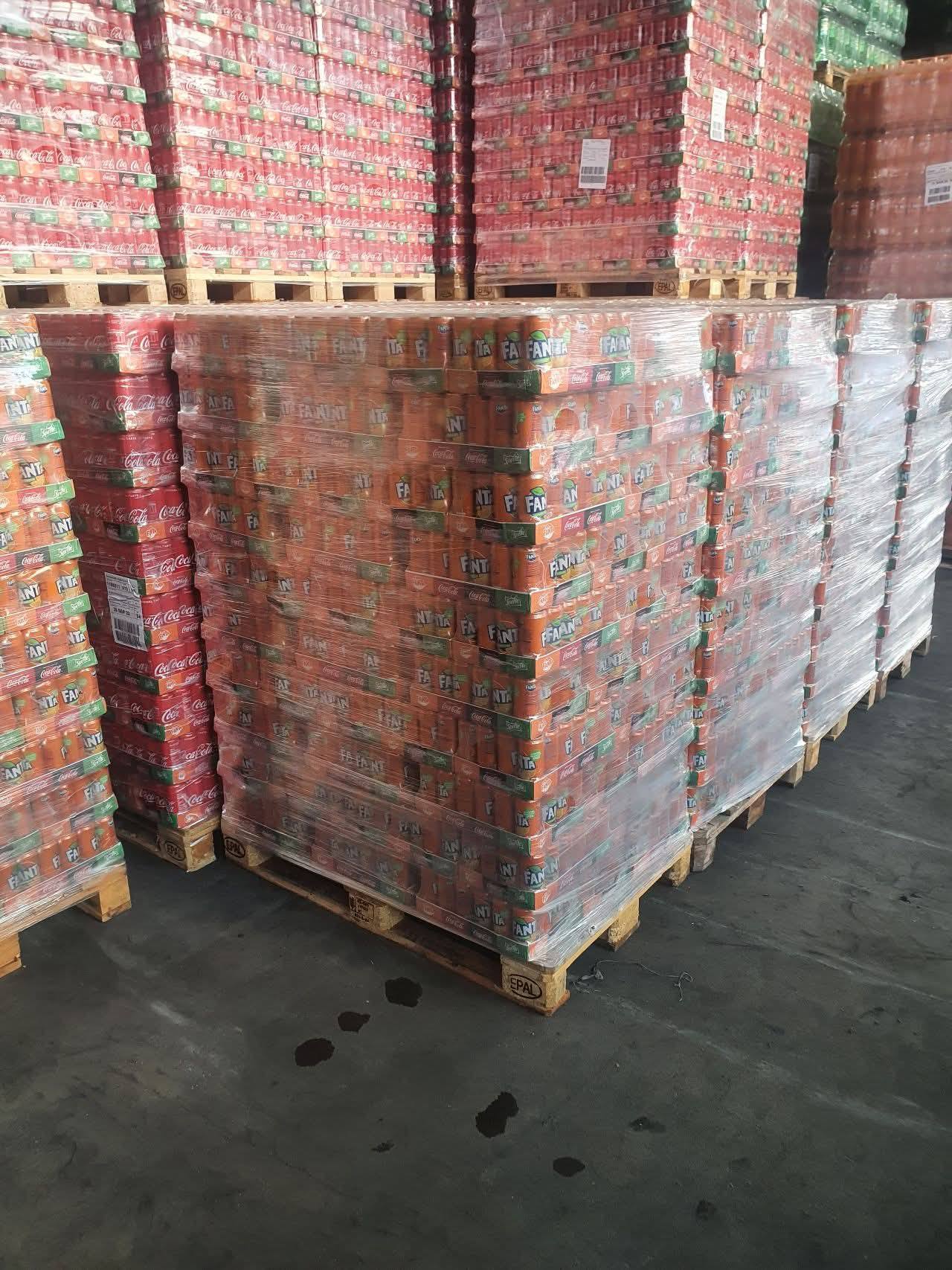
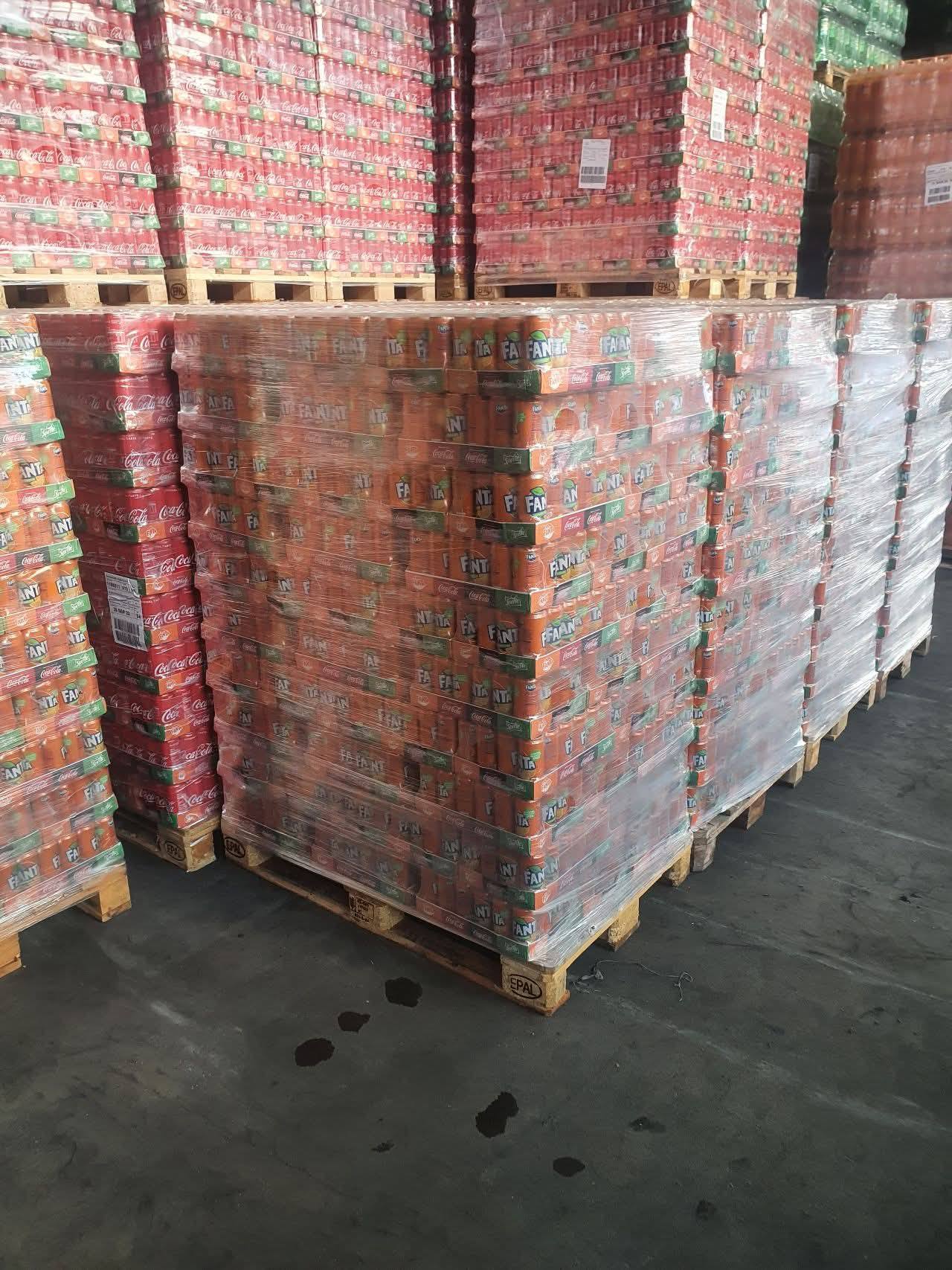
1. Mixed Pallet Wholesale Supply
Mixed pallets are designed for flexibility and market testing.
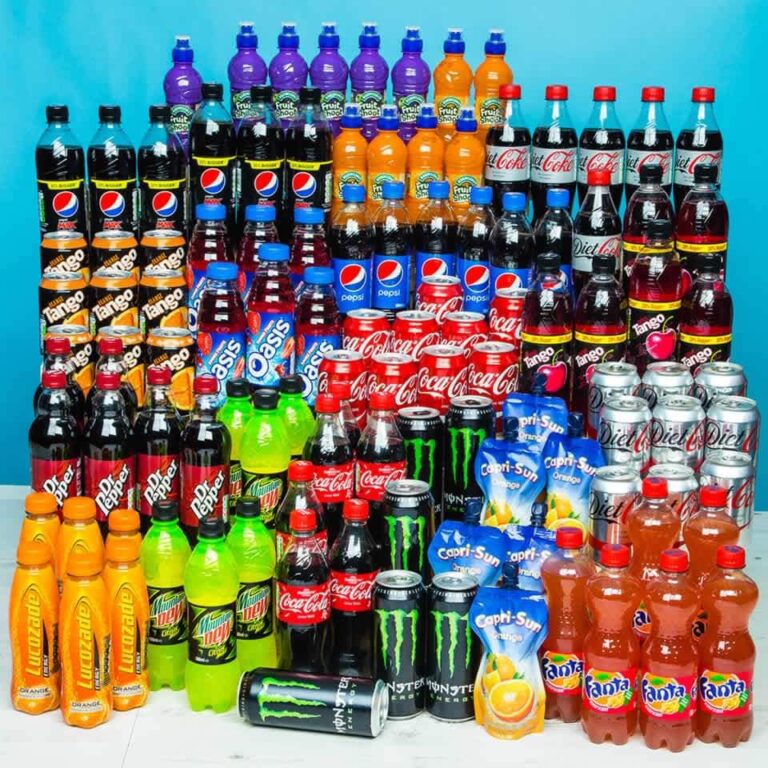
They typically include multiple SKUs such as cola, lemon-lime, fruit soda, and energy drinks combined into one shipment.
Best for:
- New distributors testing regional demand
- Small to mid-size retailers
- Online beverage stores
- Seasonal product expansion
Advantages:
- Lower entry risk
- SKU diversification
- Faster market testing
2. Full Pallet Distribution Model
Full pallets are the standard for established wholesalers and retail chains.
Each pallet contains a single product type in large quantity.
Best for:
- Supermarkets
- Beverage wholesalers
- High-volume retail chains
- Hospitality suppliers
Advantages:
- Lower cost per case
- Easier warehouse handling
- Higher stock consistency
- Better profit margins
3. Container Load Beverage Imports (FCL)
Container shipments are used for large-scale distribution and international trade.
Best for:
- Importers outside the EU
- National beverage distributors
- Large-scale vending networks
- Export-focused wholesalers
Advantages:
- Lowest unit cost
- Maximum shipment efficiency
- Stable long-term supply contracts
- Scalable inventory management
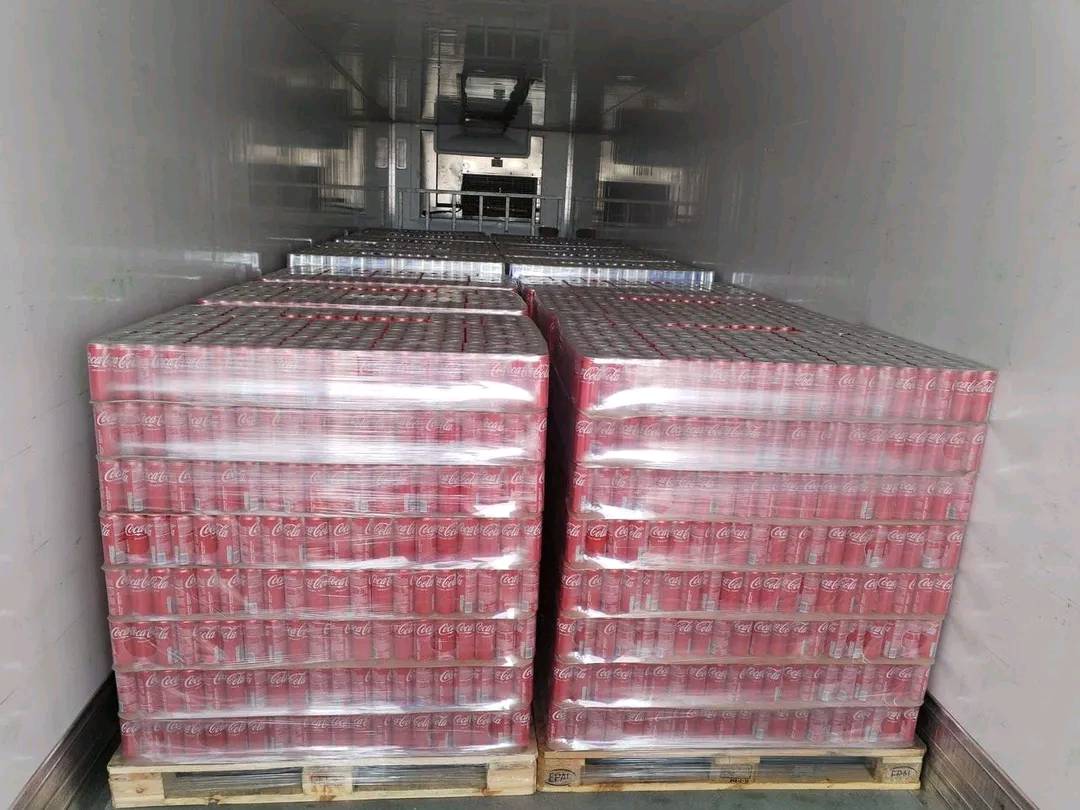
Wholesale Soft Drinks Page
Wholesale Soft Drinks guide for bulk beverage sourcing and distribution in Europe.
Most Demanded Wholesale Soft Drinks Categories in Europe
Understanding demand patterns is essential for maximizing turnover and minimizing dead stock.
Carbonated Soft Drinks
This remains the backbone of wholesale beverage sales.
Key products include:
- Cola variants
- Lemon-lime sodas
- Orange and fruit-flavored carbonates
- Ginger-based soft drinks
Global demand is still dominated by major producers such as The Coca-Cola Company and PepsiCo.
Energy & Functional Beverages
One of the fastest-growing wholesale categories in Europe.
Includes:
- Energy drinks
- Electrolyte beverages
- Vitamin-infused drinks
- Functional hydration products
This segment performs especially well in convenience stores, gyms, and vending networks.
Sugar-Free & Low-Calorie Drinks
Consumer demand for healthier alternatives continues to rise.
Popular products include:
- Zero sugar colas
- Diet sodas
- Natural sweetener beverages
- Herbal-infused soft drinks
Retailers prioritizing wellness-focused product lines are seeing stronger repeat purchases.
Imported Specialty Drinks
Imported beverages are gaining traction due to social media influence and global brand exposure.
These include:
- US soft drinks
- Asian fruit sodas
- Limited edition European flavors
- Premium sparkling beverages
Logistics Structure in Wholesale Soft Drinks Distribution
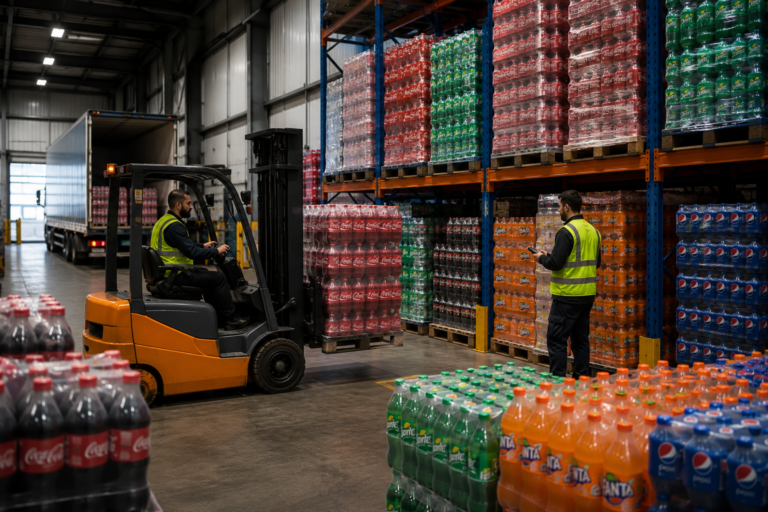
Logistics is one of the most critical success factors in beverage wholesale operations.
Key Distribution Channels
- Road freight (EU internal delivery)
- Sea freight (international shipping)
- Air freight (urgent high-value shipments)
Most European wholesale soft drinks move via palletized road freight due to efficiency and cost balance.
Key Logistics Considerations
- Pallet stability and stacking quality
- Shelf-life management (especially for carbonated drinks)
- Temperature exposure during transit
- Customs clearance for non-EU destinations
- Tracking and delivery confirmation systems
For trade compliance and logistics frameworks, refer to the European Commission Trade Portal.
Documentation Required for Wholesale Soft Drink Shipments
Proper documentation is essential for avoiding delays and ensuring smooth customs processing.
Essential Export Documents
- Commercial invoice
- Packing list
- Transport documents (CMR / Bill of Lading)
- Export declarations (where applicable)
- VAT identification verification
VAT validation can be checked using the official EU VAT VIES System.
How to Choose a Reliable Wholesale Soft Drinks Supplier
Selecting the right supplier determines your long-term profitability and operational stability.
1. Stock Authenticity
Ensure beverages are:
- Factory sealed
- Within expiry limits
- Sourced from verified distributors
- Not repackaged or relabeled
2. Supply Consistency
Reliable suppliers should maintain:
- Continuous stock availability
- Predictable restocking cycles
- Multi-brand sourcing capability
3. Transparent Pricing Structure
Pricing should clearly separate:
- Product cost per case
- Pallet cost
- Shipping charges
- Export fees
4. Logistics Capability
Strong suppliers offer:
- EU-wide delivery coverage
- International freight coordination
- Customs documentation support
- Real-time shipment tracking
Market Opportunities for Importers & Distributors
The global demand for European beverages continues expanding due to:
- Strong brand recognition
- Stable regulatory environment
- Efficient export infrastructure
- High retail trust in EU products
Key growth regions include:
- Africa
- Middle East
- South America
- Southeast Asia
- Caribbean markets
Importers benefit from consolidating multiple beverage categories into a single shipment to reduce logistics costs.
Key Trends in Wholesale Soft Drinks (2026)
1. Rise of Health-Focused Beverages
Functional drinks with added vitamins, minerals, and natural ingredients are becoming mainstream.
2. Sustainability Pressure
Brands are shifting toward:
- Recyclable packaging
- Reduced plastic usage
- Carbon-neutral production targets
3. Private Label Expansion
Retailers are increasingly developing their own beverage brands to compete with global giants.
4. Digital-Driven Demand
Social media trends heavily influence beverage sales, especially imported and limited-edition drinks.
FAQ – Wholesale Soft Drinks Europe
What does Wholesale Soft Drinks mean?
It refers to beverages sold in bulk quantities to retailers, wholesalers, and distributors at reduced trade prices.
What is the best way to buy soft drinks in bulk?
Most professional buyers use:
- Mixed pallets for flexibility
- Full pallets for efficiency
- Containers for large-scale imports
Which soft drinks are most profitable in wholesale?
High-turnover categories include:
- Cola drinks
- Energy drinks
- Sugar-free sodas
- Fruit-flavored beverages
Can I export wholesale soft drinks outside Europe?
Yes. Many suppliers support global exports using container shipping and freight forwarding services.
Why is Europe a strong source for wholesale beverages?
Because of:
- Reliable logistics systems
- Strong global beverage brands
- Efficient cross-border trade
- High manufacturing standards
Conclusion
The Wholesale Soft Drinks industry in Europe is becoming more structured, data-driven, and logistics-focused. Businesses that understand pallet formats, supplier verification, and evolving consumer trends are positioned to scale efficiently in 2026.
Success in this market depends on more than just product selection—it requires strong supply chain planning, reliable partnerships, and strategic distribution execution across both local and international markets.