Buy Soft Drinks in Bulk: A Strategic Guide for Modern Beverage Procurement
In the evolving global FMCG landscape, the decision to buy soft drinks in bulk has become a core procurement strategy for retailers, distributors, importers, and food service operators.
Rising logistics costs, fluctuating consumer demand, and increased competition across beverage categories have forced businesses to rethink how they source inventory. Today, success in beverage distribution is no longer determined by price alone, but by supplier reliability, inventory intelligence, and supply chain efficiency.
Bulk beverage procurement is now a strategic lever for profitability and long-term operational stability.
What Does It Mean to Buy Soft Drinks in Bulk?
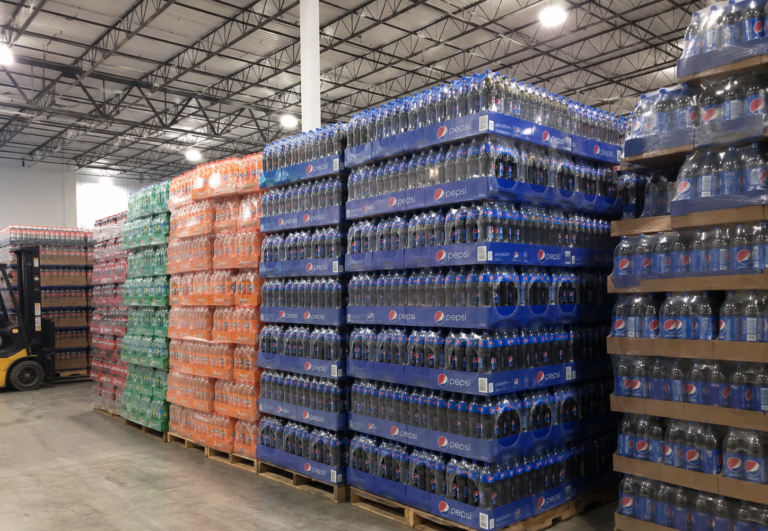
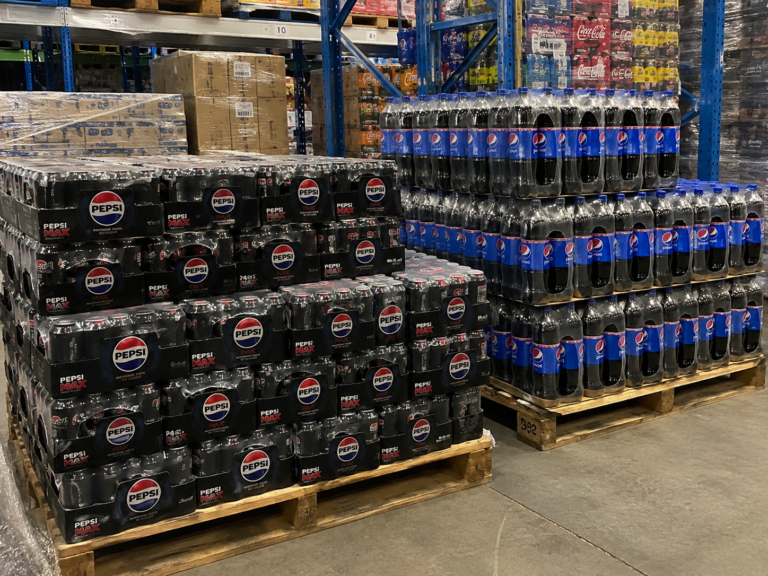
Buying soft drinks in bulk refers to purchasing large quantities of beverages directly from wholesale suppliers, manufacturers, or distributors instead of retail channels.
This typically includes:
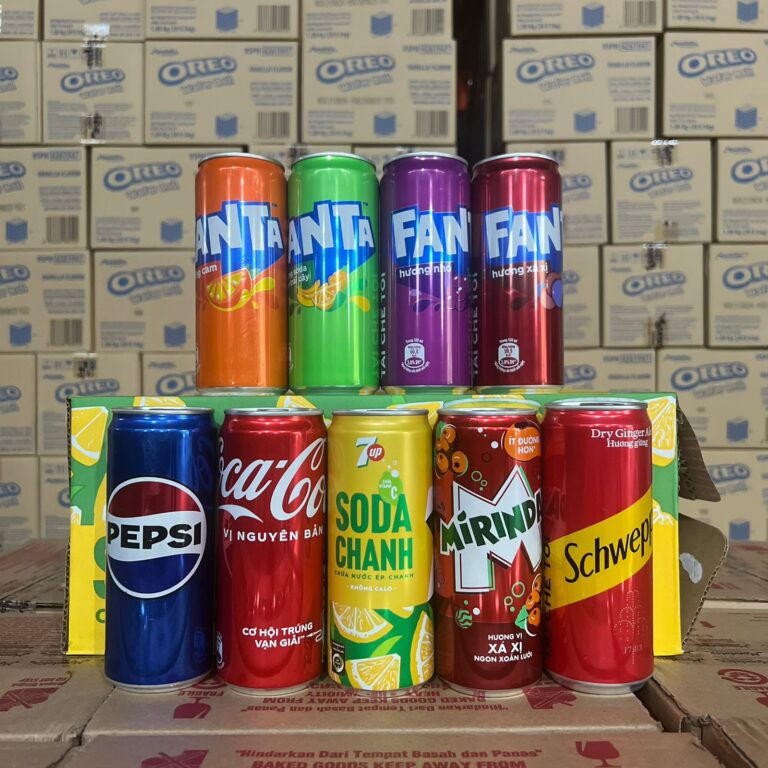
- Carbonated soft drinks
- Energy drinks
- Sports beverages
- Flavored water
- Juices and functional drinks
- International beverage brands
Businesses that buy soft drinks in bulk benefit from reduced unit costs, better stock availability, and stronger supplier relationships.
Global Beverage Market Context (Data Snapshot)
The global beverage industry continues to show strong structural growth.
According to Statista, global soft drink revenue is projected to exceed $1.6 trillion across the broader non-alcoholic beverage sector by 2027, driven by demand in emerging markets and premium product categories.
Meanwhile, international trade volumes in FMCG goods continue to expand, supported by global supply chain integration.
According to UN Comtrade, beverage imports and exports represent a significant share of global packaged food trade, highlighting the importance of cross-border procurement strategies.
Additionally, logistics efficiency remains a major cost driver in FMCG distribution.
The World Bank Logistics Performance Index shows that supply chain performance can significantly impact delivery costs and import timelines across countries.
Why Businesses Buy Soft Drinks in Bulk
Modern beverage procurement is driven by efficiency, not just pricing.
Lower Unit Cost Advantage
Bulk purchasing reduces per-unit costs significantly, improving retail margins.
Stable Inventory Flow
Retailers avoid stockouts by securing consistent supply chains.
Supplier Leverage
Higher volume buyers often receive priority allocation and better contract terms.
Operational Efficiency
Fewer purchase orders reduce administrative workload and procurement complexity.
Key Market Thesis: Supplier Reliability Is the New Competitive Advantage
In 2026, the beverage industry is shifting from price-based procurement to reliability-based procurement.
Businesses are increasingly prioritizing:
- On-time delivery performance
- Supply chain stability
- Inventory visibility
- Forecast accuracy
- Distribution resilience
This shift is particularly visible in large-scale FMCG ecosystems where demand volatility is high and margins are tight.
How Beverage Procurement Actually Works
Step 1: Demand Forecasting
Retailers estimate consumption patterns based on seasonal trends and historical data.
Step 2: Supplier Selection
Buyers evaluate wholesalers based on pricing, logistics capability, and product availability.
Step 3: Order Consolidation
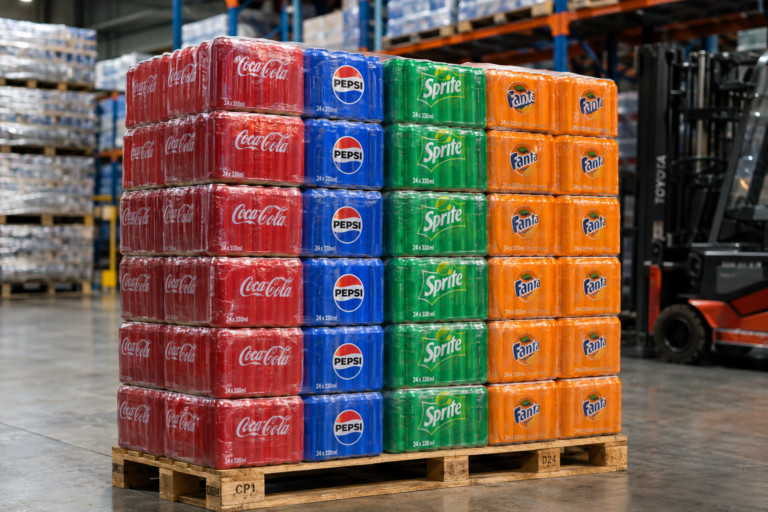
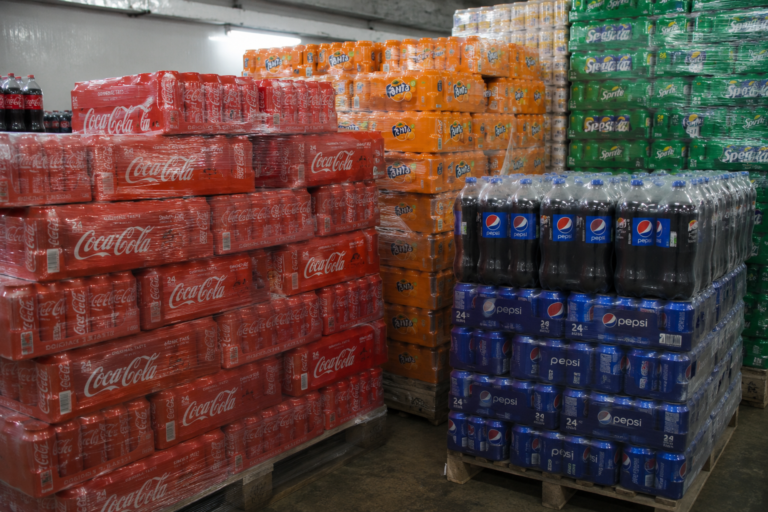
Businesses often combine multiple SKUs into bulk shipments or mixed pallets.
Step 4: Logistics Execution
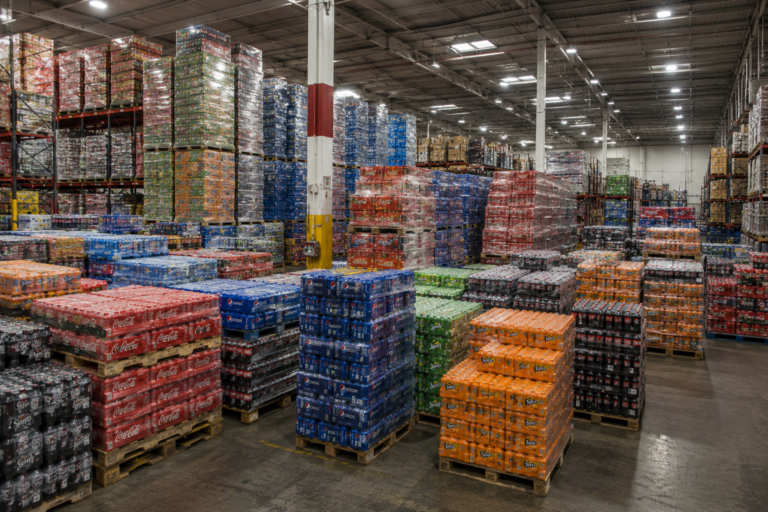
Distribution partners manage transport, customs clearance, and warehouse delivery.
Step 5: Inventory Management
Stock is tracked and replenished using ERP or inventory systems.
How to Choose a Reliable Wholesale Beverage Supplier
A strong supplier relationship determines long-term profitability.
Product Consistency
Reliable access to high-demand brands is critical.
Logistics Capability
Delivery delays directly impact retail sales performance.
Global Trade Experience
Importers must work with suppliers experienced in customs and export documentation.
Flexible Packaging Options
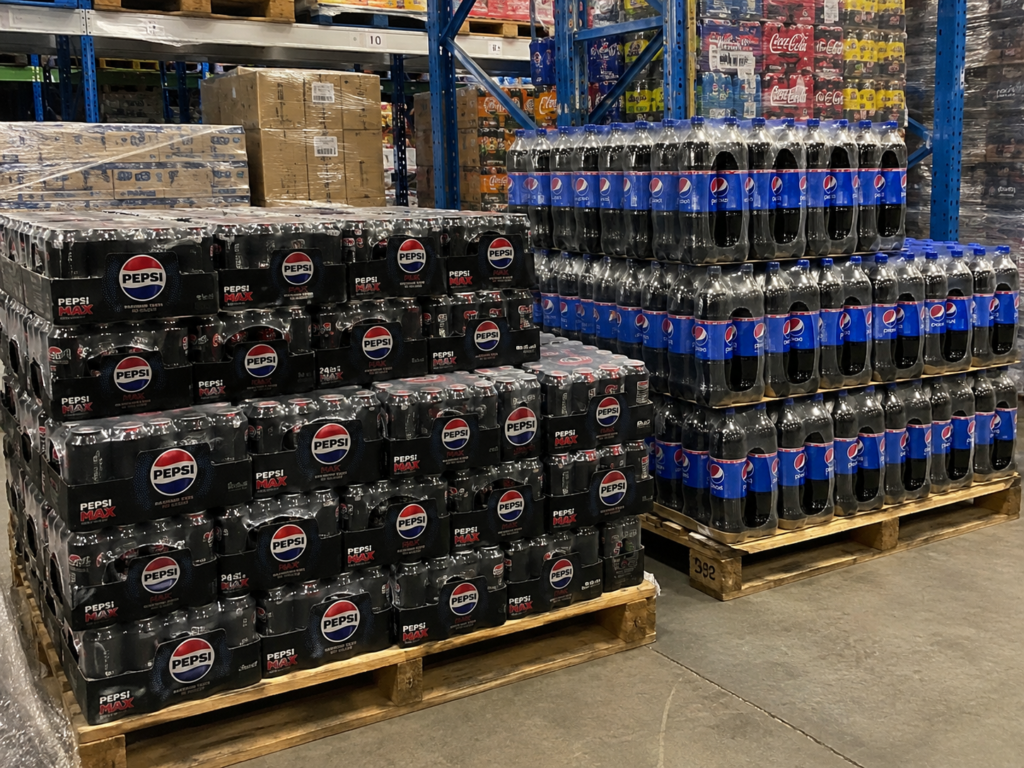
Mixed-pallet sourcing improves cash flow and reduces inventory risk.
Brands such as Coca-Cola, PepsiCo, Red Bull, and Monster Energy dominate global distribution networks and often influence wholesale pricing structures.
Mixed-Pallet Sourcing: The New Industry Standard
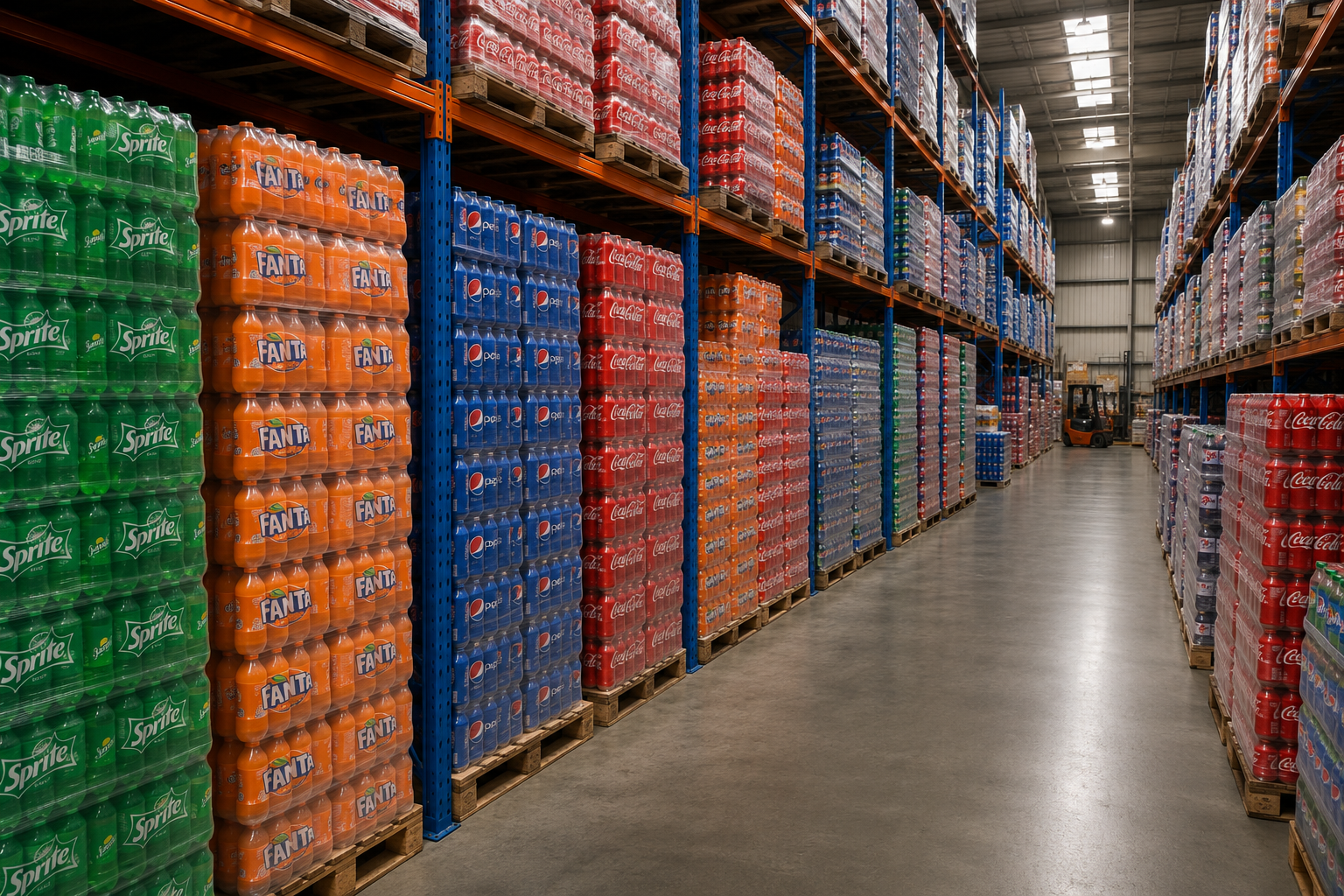
Mixed-pallet sourcing allows buyers to combine multiple beverage types into one shipment.
Key Advantages:
- Reduced inventory risk
- Faster product diversification
- Lower storage pressure
- Improved cash flow efficiency
- Better retail shelf management
This model is increasingly preferred by mid-sized retailers and importers with limited warehouse capacity.
Common Mistakes in Bulk Beverage Procurement
Focusing Only on Price
Lowest cost suppliers may lack reliability or consistent supply.
Poor Demand Planning
Overstocking leads to capital inefficiency, while understocking leads to lost revenue.
Single Supplier Dependency
Over-reliance increases risk during supply chain disruptions.
Weak Inventory Tracking
Without data visibility, procurement becomes reactive instead of strategic.
Beverage Supply Chain Trends Shaping 2026
AI Demand Forecasting
AI systems are improving accuracy in predicting beverage consumption patterns.
Digital Procurement Platforms
End-to-end visibility is reducing procurement inefficiencies.
Regional Sourcing Growth
Companies are shifting toward regional suppliers to reduce transport risk.
Automation in Purchasing
Automated replenishment systems are becoming common in large retail chains.
Supply Chain Consolidation
Fewer but larger distributors are controlling more of the market.
How Retailers Can Optimize Inventory Management
Effective inventory control is essential for profitability.
Track Sales Velocity
Identify fast-moving SKUs and adjust orders accordingly.
Set Reorder Thresholds
Automated triggers reduce stockout risk.
Analyze Seasonal Demand
Beverage consumption spikes during summer and holiday periods.
Improve Real-Time Visibility
Modern ERP systems enhance procurement decision-making.
Executive Insight
Businesses that buy soft drinks in bulk successfully are those that treat procurement as a strategic supply chain function rather than a transactional activity.
Key success factors include:
- Strong supplier partnerships
- Data-driven demand planning
- Flexible sourcing models
- Logistics optimization
- Inventory intelligence
FAQ (Featured Snippet Optimization)
What is the best way to buy soft drinks in bulk?
The best method is to work with a reliable wholesale beverage supplier that offers stable pricing, strong logistics, and consistent product availability.
How does beverage procurement work?
It involves forecasting demand, selecting suppliers, consolidating orders, managing logistics, and tracking inventory levels.
Why is supplier reliability important?
Reliable suppliers ensure consistent stock availability, reduce disruptions, and improve customer satisfaction.
How can importers reduce supply chain risk?
By diversifying suppliers, using regional sourcing, and improving inventory forecasting systems.
What trends are shaping beverage distribution?
AI forecasting, digital procurement, regional sourcing, and supply chain automation are key trends.
Explore how leading buyers streamline sourcing strategies through a reliable European Wholesale Drinks Supplier network.
Conclusion
The decision to buy soft drinks in bulk is no longer just a cost-saving measure—it is a strategic procurement approach that defines competitiveness in the modern beverage industry.
Businesses that optimize supplier selection, leverage data-driven forecasting, and adopt flexible sourcing models will be best positioned to thrive in an increasingly complex global FMCG environment.