Table of Contents
Introduction
Mixed pallet purchasing has become an increasingly practical sourcing strategy for retailers, importers, and distributors that need product variety without committing to a complete pallet of every beverage.
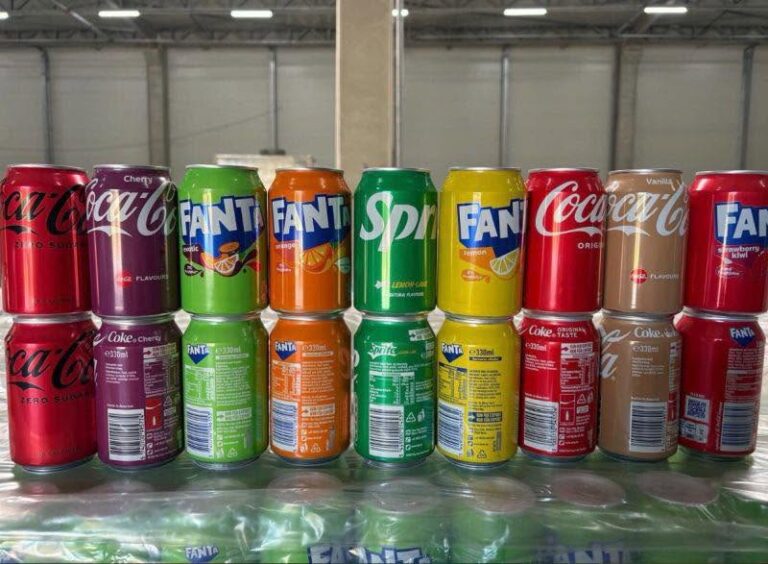
With Mixed Pallet Soft Drinks Wholesale, buyers can combine different soft-drink brands, flavours, packaging formats or product categories within a consolidated order. A pallet might include Coca-Cola, Pepsi, Fanta, Sprite, sugar-free alternatives, energy drinks or bottled water rather than a single product line.
This approach can help businesses control inventory exposure, test customer demand and use warehouse space more efficiently. It is particularly valuable for convenience stores, independent retailers, hospitality businesses and regional distributors serving customers with different preferences.
However, mixed-pallet procurement requires more planning than simply selecting several products. Buyers must consider packaging compatibility, product rotation, case quantities, freight costs, labelling, traceability and supplier reliability.
This guide explains how mixed soft-drink pallets work, who should buy them and how to create an efficient wholesale beverage sourcing strategy.
What Is Mixed Pallet Soft Drinks Wholesale?
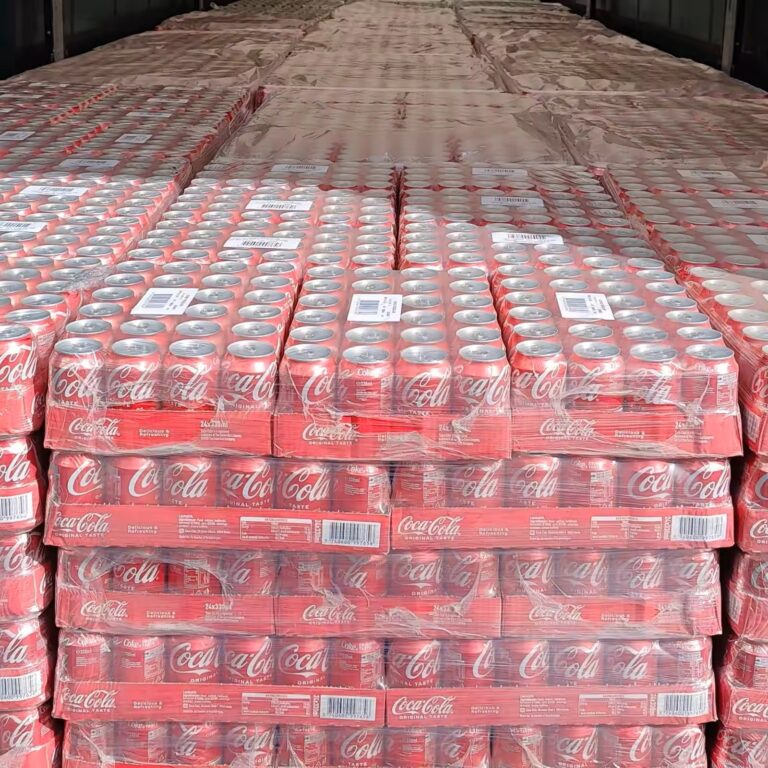
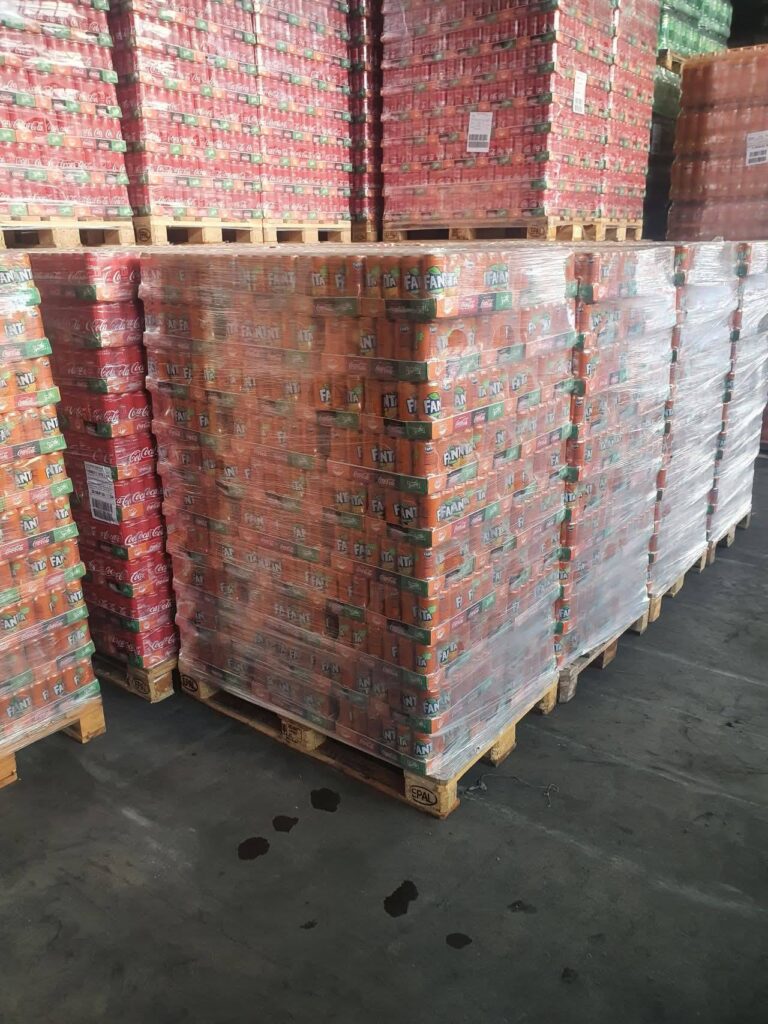
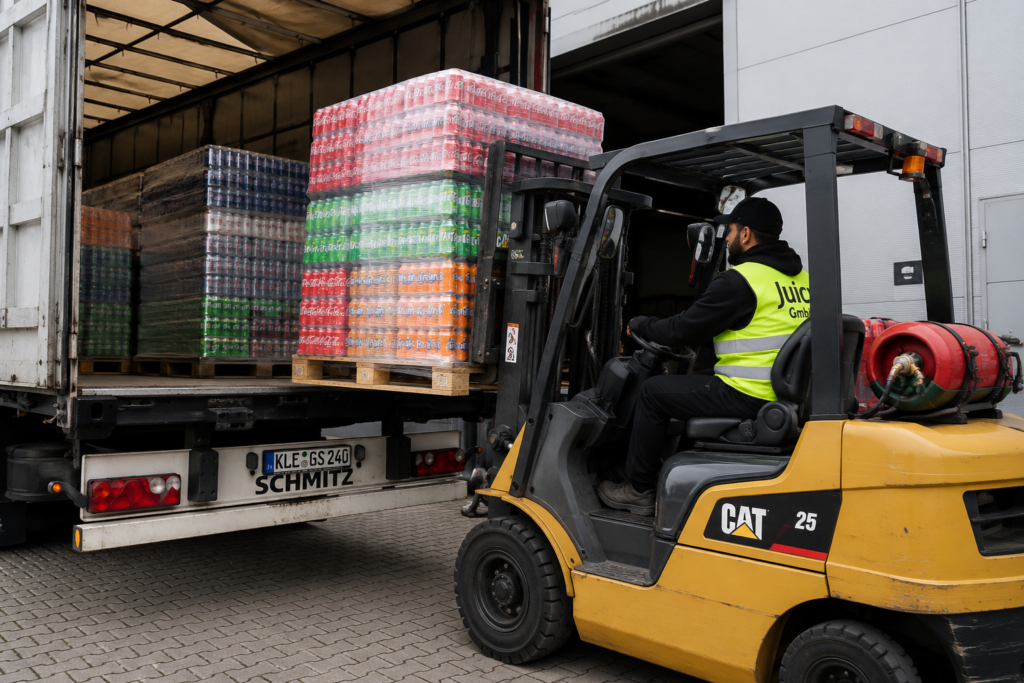
Mixed Pallet Soft Drinks Wholesale is a business-to-business purchasing model that allows several beverage SKUs to be consolidated within one pallet or order.
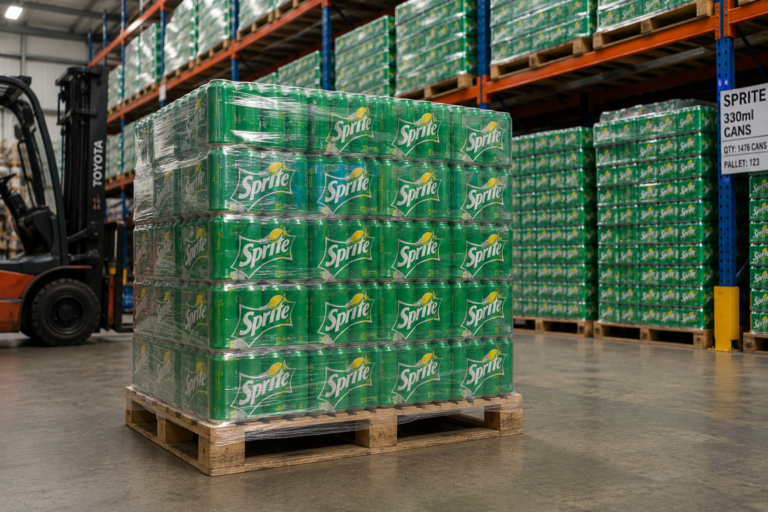
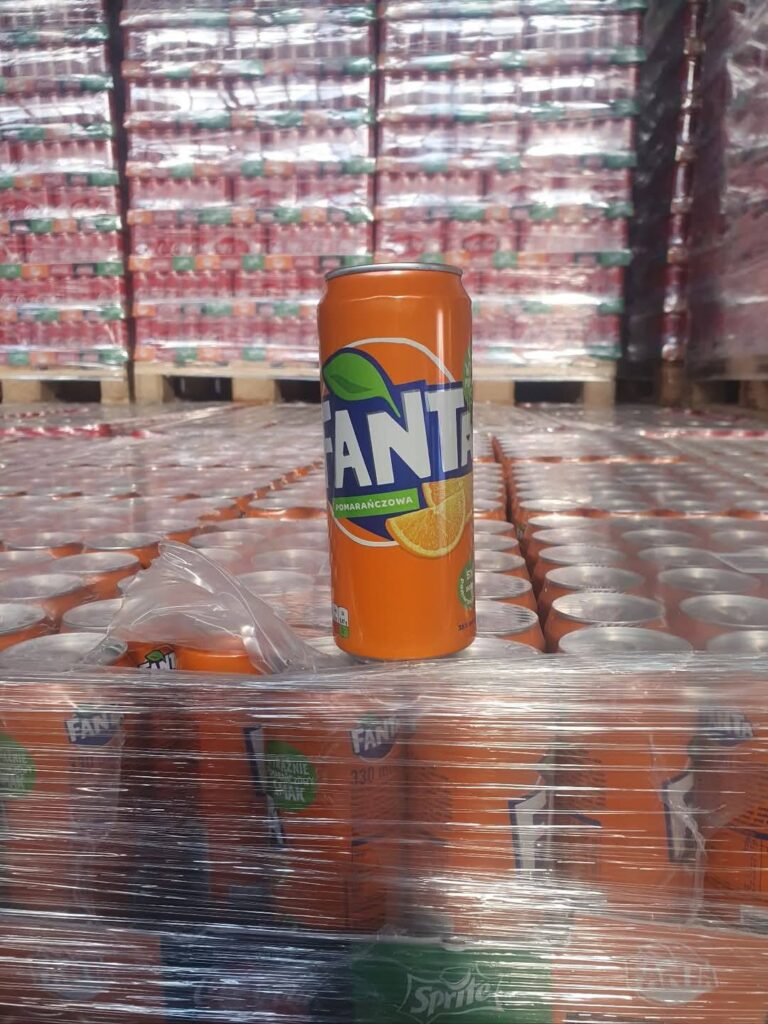
A traditional wholesale pallet normally contains one product, such as:
- Coca-Cola Original 330 ml cans
- Pepsi Max 330 ml cans
- Sprite 500 ml PET bottles
- Fanta Orange 1.5 L bottles
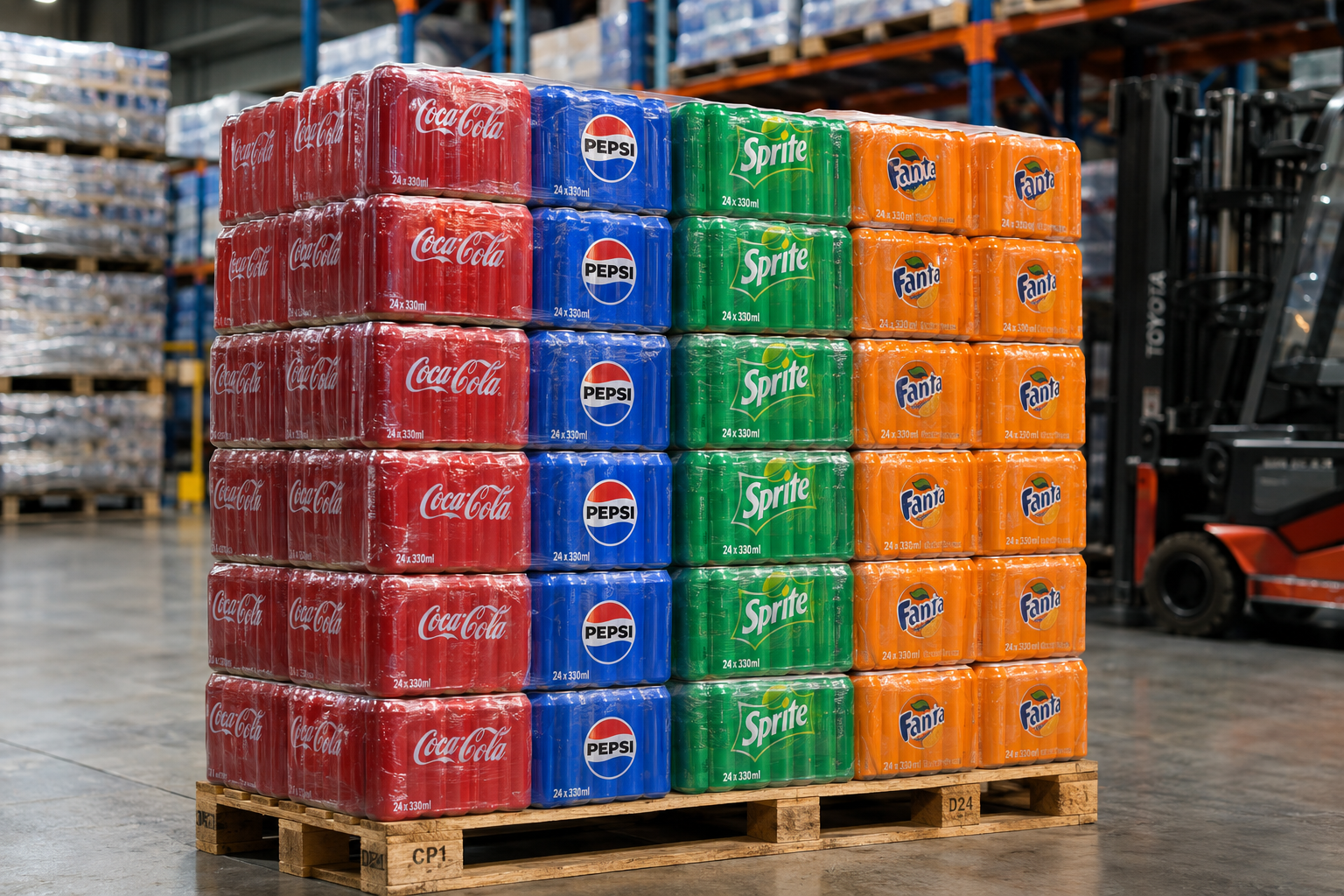
A mixed pallet may combine several of these products in smaller case quantities.
For example, one pallet could contain:
- 20 cases of Coca-Cola Original
- 15 cases of Coca-Cola Zero
- 15 cases of Pepsi
- 10 cases of Sprite
- 10 cases of Fanta Orange
- 10 cases of assorted energy drinks
The exact configuration depends on the supplier’s inventory, pallet capacity, packaging dimensions, and minimum quantity per SKU.
Mixed pallets should not be confused with random clearance pallets. A properly prepared wholesale mixed pallet is assembled according to an agreed product list, case quantity and packaging plan.
Why Businesses Buy Mixed Soft-Drink Pallets
Full pallets remain suitable for fast-selling products with predictable demand. However, they may be inefficient when a buyer needs a broad range of drinks in smaller quantities.
Mixed pallets solve this problem by allowing a business to diversify its order.
Greater product variety
Consumers do not all want the same beverage. Some prefer regular cola, while others look for sugar-free options, fruit flavours, energy drinks or bottled water.
A mixed pallet allows a retailer to offer a broader selection without purchasing a full pallet of every SKU.
Lower inventory concentration
Purchasing a large volume of one product concentrates the buyer’s capital and stock risk in a single SKU. When demand is weaker than expected, that product may remain in storage for longer.
A mixed assortment distributes inventory across several products and can reduce dependence on one beverage line.
More efficient market testing
A distributor entering a new region may not know which flavours, brands or package sizes will perform best.
Instead of immediately purchasing full pallets, the buyer can test selected products in controlled quantities, measure sales and use the results to plan the next order.
Better use of working capital
A mixed pallet may allow a business to allocate purchasing funds across more products. This can be helpful for independent retailers and growing wholesalers that need assortment depth but cannot justify high inventory levels for every item.
Improved use of storage space
Warehouses and retail stockrooms have limited capacity. Mixed pallets can provide broader product coverage without requiring a dedicated pallet position for each beverage.
Who Benefits Most From Mixed Pallet Purchasing?
Mixed pallets can support many types of beverage buyers, but the benefits vary by business model.
Convenience stores
Convenience stores need a broad cold-drink selection but often have limited stockroom space. A mixed pallet can supply several popular brands and formats while keeping inventory manageable.
Independent supermarkets
Smaller supermarkets may need enough variety to remain competitive without purchasing full truckloads. Mixed pallets can help balance mainstream products, sugar-free options, and selected premium beverages.
Beverage distributors
Regional distributors serve customers with different product requirements. Mixed-pallet sourcing allows them to build a varied catalogue and supply smaller retailers without carrying excessive volumes of every SKU.
Importers entering new markets
Importers can use mixed shipments to test demand before expanding into full-pallet or container-scale purchasing.
Hotels, restaurants and cafés
Hospitality businesses may require regular cola, diet beverages, sparkling drinks, juice, water and energy drinks in relatively small quantities. Mixed pallets make it easier to source these categories together.
Vending operators
Vending-machine operators need different can and bottle formats across multiple locations. Mixed orders can help them replenish products according to actual machine-level demand.
Event and catering companies
Events often require several beverage categories for different guests. A mixed pallet can provide an appropriate assortment without leaving the organiser with excessive quantities of one product.
Products Commonly Included in a Mixed Beverage Pallet
The available assortment depends on the wholesaler, market, and season.
Carbonated soft drinks
Frequently requested carbonated drinks include:
- Coca-Cola Original
- Coca-Cola Zero Sugar
- Pepsi
- Pepsi Max
- Sprite
- Fanta
- 7UP
- Mirinda
- Regional cola and lemonade brands
Energy drinks
A mixed pallet may also include:
- Original energy drinks
- Sugar-free energy drinks
- Fruit-flavoured variants
- Large-format energy-drink cans
- Selected limited editions
Water
Common water options include:
- Still mineral water
- Sparkling mineral water
- Flavoured water
- Small convenience bottles
- Large household bottles
Juice and fruit drinks
Possible options include:
- Orange juice
- Apple juice
- Tropical fruit drinks
- Multivitamin drinks
- Juice boxes
- One-litre cartons
Sports and functional drinks
Some suppliers may offer:
- Electrolyte drinks
- Vitamin beverages
- Isotonic sports drinks
- Caffeinated functional drinks
- Low-calorie hydration products
Availability should always be confirmed before an order is finalised. Beverage inventories can change because of production schedules, seasonal demand, promotions and regional distribution arrangements.
Common Packaging Formats
Packaging affects pallet stability, transport efficiency, shelf presentation and consumer demand.
| Product type | Common packaging | Typical use |
|---|---|---|
| Carbonated soft drinks | 250 ml cans | Events, hospitality and portion control |
| Carbonated soft drinks | 330 ml cans | Retail, convenience and vending |
| Energy drinks | 250 ml cans | Convenience, nightlife and vending |
| Soft drinks | 500 ml PET bottles | On-the-go retail |
| Soft drinks | 1 L PET bottles | Small households and hospitality |
| Soft drinks | 1.5 L PET bottles | Family and supermarket retail |
| Water | 500 ml PET bottles | Travel, events and vending |
| Juice | 1 L cartons | Hospitality and household use |
Products with different dimensions can sometimes be consolidated on one pallet, but packaging compatibility must be assessed carefully.
Cases should be stacked to avoid crushing, excessive movement or uneven load distribution. Heavy and structurally strong cases are generally placed below lighter or more delicate products.
Mixed Pallets Versus Full Pallets
Neither option is universally better. The correct choice depends on demand, storage capacity and order economics.
| Procurement factor | Mixed pallet | Full pallet |
|---|---|---|
| Product variety | High | Low |
| Volume per SKU | Lower | Higher |
| Market-testing flexibility | Strong | Limited |
| Pallet preparation complexity | Higher | Lower |
| Unit-cost efficiency | May be lower | Often stronger |
| Stock concentration | Distributed | Concentrated |
| Best for | Range building and testing | Proven fast sellers |
| Reordering simplicity | Requires planning | Straightforward |
A strong procurement strategy often uses both formats.
Full pallets can be reserved for high-volume products with stable demand, while mixed pallets support slower-moving flavours, premium drinks and new product trials.
How to Plan the Right Mixed Pallet
A mixed pallet should reflect real sales potential rather than personal preference or an arbitrary assortment.
1. Review sales history
Begin with historical sales data. Identify:
- Highest-selling brands
- Fastest-moving package sizes
- Regular versus sugar-free demand
- Seasonal fluctuations
- Slow-moving flavours
- Products frequently requested but unavailable
Sales records provide a stronger basis for pallet planning than guesswork.
2. Divide products by demand level
Products can be grouped into three categories:
Core products: Proven high-volume drinks that should represent the largest share of the pallet.
Growth products: Items showing increasing demand but not yet requiring full-pallet quantities.
Trial products: New flavours, brands or formats purchased in controlled quantities.
A practical starting mix might allocate most of the pallet to core products, a smaller share to growth lines and a limited quantity to trials.
3. Match packaging to the sales channel
The same drink may perform differently depending on its packaging.
For example:
- 330 ml cans may suit vending and convenience retail.
- 500 ml bottles may perform well in transport hubs and petrol stations.
- 1.5 L bottles may be more suitable for supermarkets and family purchasing.
- Small cans may suit hotels, catering and events.
Choosing the correct format is as important as choosing the correct brand.
4. Account for seasonality
Demand patterns often change throughout the year.
Warm weather may increase demand for water, carbonated soft drinks and sports beverages. Holidays, festivals and sporting events may increase demand for multipacks and high-recognition brands.
Orders should be placed early enough to account for supplier preparation, freight booking and unexpected delays.
5. Set reorder thresholds
A reorder threshold indicates when replacement stock should be purchased.
The threshold should consider:
- Average weekly sales
- Supplier lead time
- Freight duration
- Promotional activity
- Safety stock
- Seasonal demand
Without reorder planning, product variety can create unnecessary complexity and stockouts.
How Mixed Pallets Are Assembled
Professional pallet preparation generally follows a structured process.
- The buyer submits the requested product list.
- The supplier confirms current availability.
- Case quantities are adjusted to fit pallet limits.
- Products are selected and checked.
- Cases are arranged according to size, weight, and strength.
- The pallet is wrapped and stabilised.
- Labels and shipment references are attached.
- The order is checked against the packing list.
- The pallet is staged for collection or dispatch.
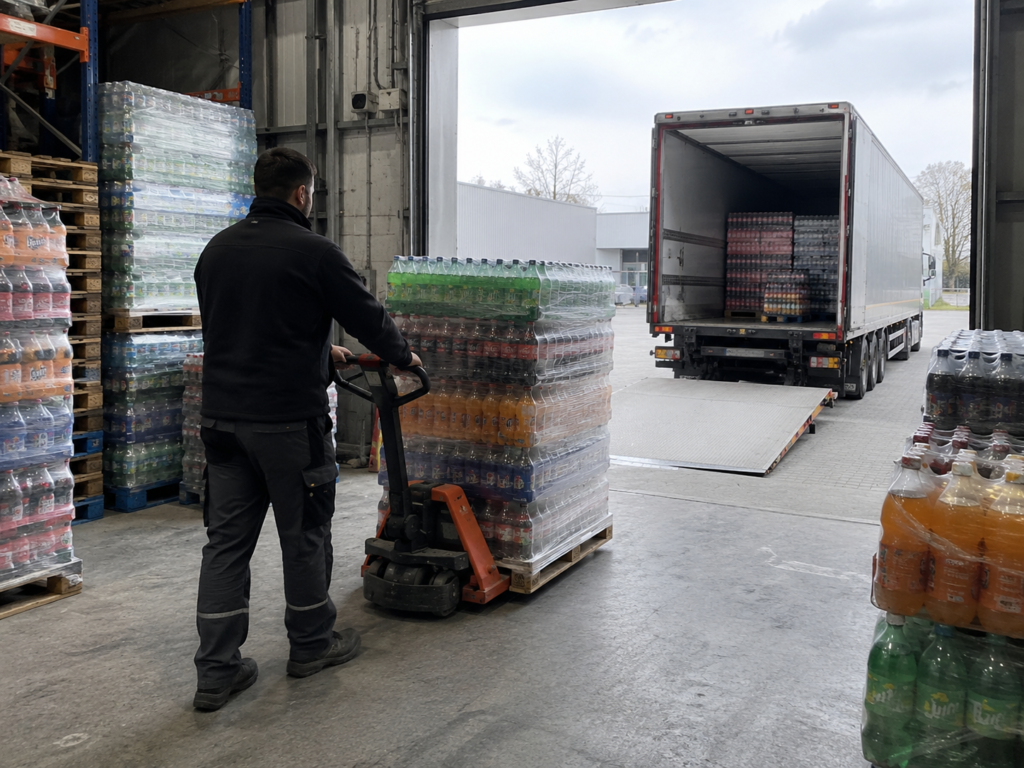
The finished pallet should be suitable for normal handling by forklifts, pallet trucks and freight carriers.
Understanding Minimum Order Quantities
A minimum order quantity, or MOQ, is the smallest quantity a supplier will accept.
MOQ structures vary. A wholesaler may require:
- A minimum number of pallets per order
- A minimum number of cases per SKU
- A minimum total order value
- Full-layer quantities for selected products
- A minimum quantity for export shipments
Buyers should clarify both the overall MOQ and the minimum per product.
A supplier may allow one mixed pallet while requiring at least five or ten cases of each selected SKU. These conditions affect how much variety can realistically be included.
Factors Affecting Mixed-Pallet Wholesale Prices
Wholesale pricing is influenced by more than the advertised cost per case.
Brand and product demand
Internationally recognised brands may have different wholesale structures from regional or private-label products.
High-demand flavours and limited editions can also have different availability and pricing.
Packaging size
A case of 250 ml cans does not have the same unit count, pallet capacity or transport weight as a case of 1.5 L bottles.
Pricing comparisons should therefore be based on equivalent products and formats.
Order volume
Larger orders may qualify for stronger purchasing terms because warehouse and freight costs are spread across more cases.
Pallet-building requirements
A highly customised pallet may require additional picking, sorting and handling compared with a standard full pallet.
The supplier should state whether mixed-pallet preparation is included in the quotation.
Freight distance
Soft drinks are relatively heavy. Transport costs can therefore represent a meaningful share of the landed price, especially for small orders or long-distance deliveries.
Import duties and taxes
International buyers may need to account for:
- Customs duties
- Import VAT
- Local product levies
- Deposit-return obligations
- Customs-broker charges
- Port or terminal handling
These costs vary by destination and should not be estimated using another country’s rules.
Calculate the Total Landed Cost
The lowest product price does not necessarily produce the lowest final cost.
Buyers should compare the total landed cost:
| Cost element | What to confirm |
|---|---|
| Product value | Price per case and total product cost |
| Pallet preparation | Included or separately charged |
| Freight | Rate, route and delivery point |
| Insurance | Whether included and what it covers |
| Export documentation | Included documents and related fees |
| Customs | Duties and clearance costs |
| Taxes | VAT and destination-specific charges |
| Local delivery | Port, terminal or final-mile transport |
| Deposits and environmental fees | Packaging obligations in the destination market |
Request quotations in a consistent format so competing offers can be compared accurately.
Domestic and International Logistics
Domestic orders are generally simpler because they remain within one national distribution system.
Cross-border orders may require additional commercial, customs and regulatory preparation.
Typical export documents can include:
- Commercial invoice
- Packing list
- Export declaration
- Transport document
- Proof of origin when applicable
- Product specifications when required
- Insurance documentation
- Customs references
Businesses moving drinks across borders can use the European Commission’s Access2Markets trade portal to review product requirements, tariffs, taxes, rules of origin and trade procedures for relevant routes.
The buyer and seller should agree on responsibilities before dispatch. The agreed delivery term should clarify who arranges freight, insurance, export formalities, import clearance and final delivery.
Labelling and Market Compliance
A product that is legally sold in one country may require different labelling or packaging information in another market.
Before ordering, verify:
- Product name
- Ingredients
- Allergen information where applicable
- Nutrition declaration
- Net quantity
- Best-before date
- Storage instructions
- Responsible food-business operator
- Required local language
- Packaging and deposit markings
Businesses selling beverages in the European Union should review the European Commission’s official EU food-labelling rules, which explain the essential information required for food and beverage products.
The importer or local operator should confirm that every SKU is suitable for sale in the destination market before shipment. Relabelling after arrival can create avoidable costs and delays.
Product Identification and Traceability
Accurate product identification is essential when a pallet contains several SKUs.
Purchase orders, warehouse records and invoices should use consistent identifiers, including:
- Product description
- Brand
- Flavour
- Package size
- Units per case
- Case quantity
- Batch or lot number where available
- Barcode or Global Trade Item Number
- Best-before date
Retailers and distributors commonly rely on standardised product identifiers for ordering, scanning and stock control. The GS1 barcode standards explain how barcodes support automatic identification and data exchange throughout retail supply chains.
Barcode accuracy should be checked before products are listed in warehouse or point-of-sale systems. Similar beverage variants can easily be confused when records contain incomplete descriptions.
Best-Before Dates and Stock Rotation
Best-before dates are commercially important even when a product remains safe and saleable for a longer period under applicable rules.
Buyers should request the remaining shelf life before confirming the order. The acceptable period depends on:
- Estimated transport duration
- Customs-clearance time
- Warehouse turnover
- Retail sales rate
- Customer requirements
- Contractual shelf-life policies
Stock should generally be managed using FEFO, or First Expired, First Out. FEFO prioritises products with the earliest expiry or best-before date rather than relying only on the date they entered the warehouse.
A useful receiving process includes:
- Checking cases against the packing list
- Recording batch information
- Recording best-before dates
- Inspecting packaging condition
- Assigning warehouse locations
- Updating the inventory system
- Prioritising shorter-dated stock for dispatch
Quality Checks Before Dispatch
A professional supplier should perform a final inspection before shipment.
Important checks include:
- Correct product and flavour
- Correct package size
- Correct case quantity
- Acceptable best-before dates
- Intact cans, bottles and cartons
- No visible leakage
- No badly crushed cases
- Stable pallet construction
- Accurate pallet labels
- Packing-list consistency
Buyers should also establish how discrepancies or transport damage will be handled. Claim deadlines, evidence requirements and insurance responsibilities should be agreed in advance.
Sustainability and Packaging Efficiency
Beverage buyers are increasingly expected to consider packaging, transport efficiency and waste.
Mixed pallets can support efficient procurement when they consolidate products that might otherwise require several small deliveries. However, poor pallet planning can increase protective material, handling and breakage.
Better practices include:
- Maximising safe pallet utilisation
- Consolidating compatible orders
- Using recyclable pallet wrapping where practical
- Avoiding unnecessary repacking
- Selecting stable packaging combinations
- Coordinating deliveries to reduce partial loads
- Separating recyclable materials after unpacking
Packaging remains a significant waste stream. Buyers assessing their environmental responsibilities can consult Eurostat’s packaging-waste statistics for official European data and measurement resources.
Sustainability should be considered alongside product protection. Reducing wrapping or structural materials too aggressively can cause damaged stock and create more waste than secure packaging would have produced.
How to Evaluate a Mixed-Pallet Supplier
A wholesale relationship should not be judged by price alone.
Product availability
The supplier should provide clear information about what is currently available rather than presenting an outdated product catalogue as live stock.
Transparent quotations
A useful quotation should identify:
- Product description
- Package size
- Units per case
- Cases ordered
- Price per case
- Product total
- Freight
- Taxes where applicable
- Other charges
- Delivery terms
- Quotation validity
Warehouse capability
The supplier should be capable of picking, checking, assembling and securing mixed pallets without compromising product condition.
Export experience
For international orders, the supplier should understand the documentation and logistics responsibilities connected with the agreed delivery arrangement.
Communication
Product substitutions, stock shortages and schedule changes should be communicated before dispatch—not discovered when the shipment arrives.
Traceability
The supplier should maintain records that allow products to be identified by order, SKU, batch or shipment when required.
Claims procedure
A written procedure should explain how shortages, incorrect products and transit damage are reported and resolved.
Questions to Ask Before Placing an Order
Buyers should obtain clear answers to the following questions:
- Which products are physically available?
- Can brands, flavours and sizes be combined?
- What is the minimum number of cases per SKU?
- What is the minimum total order?
- Is pallet preparation included?
- How many cases will fit safely?
- What best-before dates will be supplied?
- Are product substitutions allowed?
- Which delivery terms are available?
- Who arranges freight and insurance?
- Which documents accompany the shipment?
- Are products labelled for the destination market?
- How are damaged or missing goods handled?
- What is the expected preparation time?
- How long is the quotation valid?
Written answers provide a useful reference when reviewing the proforma invoice and final order confirmation.
Common Mixed-Pallet Buying Mistakes
Selecting too many low-volume SKUs
More variety is not always better. A pallet containing too many products in very small quantities can complicate stock control and produce insufficient shelf presence.
Prioritise products with a realistic sales purpose.
Comparing only the case price
Freight, tax, customs, pallet preparation and local delivery can change the true cost substantially.
Compare landed costs rather than headline prices.
Accepting unspecified substitutions
A substitute may have a different flavour, package size, barcode, market label or customer demand profile.
Require approval before any product is replaced.
Ignoring shelf life
Short-dated stock may appear inexpensive but become costly when the business cannot sell it within the available period.
Ordering incompatible packaging
Mixing weak cartons, heavy bottles and unstable case sizes without a proper stacking plan increases damage risk.
Buying without demand data
Purchasing based on personal preference can lead to slow-moving inventory. Sales records and customer enquiries should guide the mix.
Failing to verify market compliance
Importers should not assume packaging approved in one country is automatically ready for another destination.
Using an unverified supplier
A professional website or low quotation is not sufficient proof of stock or operating capability. Buyers should complete appropriate business verification before sending payment.
A Practical Mixed-Pallet Procurement Framework
Use the following framework when planning an order.
Step 1: Define the commercial objective
Decide whether the order is intended to:
- Replenish established products
- Introduce new flavours
- Supply a seasonal campaign
- Test a new territory
- Serve a specific customer
- Expand the retailer’s assortment
Step 2: Create a SKU shortlist
List each product with its exact brand, flavour, package size and preferred case quantity.
Step 3: Rank products
Classify each SKU as:
- Essential
- Preferred
- Optional
This makes it easier to adjust the order when a product is unavailable.
Step 4: Establish commercial limits
Define:
- Maximum product budget
- Maximum landed cost
- Minimum remaining shelf life
- Acceptable delivery period
- Maximum quantity per trial product
Step 5: Request a detailed quotation
Ask the supplier to show all important costs and conditions rather than providing only one total figure.
Step 6: Verify compliance and documentation
Confirm that packaging, labels and documentation meet the destination requirements.
Step 7: Approve the final product list
Check product descriptions, quantities and substitutions before payment and dispatch.
Step 8: Inspect the delivery
Record shortages, incorrect items or visible damage promptly and follow the agreed claims procedure.
Step 9: Measure sales performance
Track sales by SKU, location and package size.
Step 10: Improve the next order
Increase quantities of proven products, reduce slow movers and continue testing selectively.
Real-World Mixed-Pallet Examples
Example 1: Independent convenience retailer
A convenience retailer wants strong brand recognition and sufficient variety for refrigerated display.
A suitable order may prioritise:
- Regular cola
- Sugar-free cola
- Lemon-lime soft drinks
- Orange-flavoured drinks
- Energy drinks
- Still water
Most cases should be allocated to proven products, while smaller quantities can be used for alternative flavours.
Example 2: Distributor testing a new region
A distributor entering a new market may choose several brands in 330 ml cans because the consistent format simplifies storage and price comparison.
After the first sales cycle, the distributor can identify which products justify full-pallet orders.
Example 3: Hotel and restaurant supplier
A hospitality supplier may need:
- Small cans for minibars
- Glass or premium-format beverages for restaurants
- Water for guest rooms
- Juices for breakfast service
- Large PET bottles for catering
The pallet should be designed around the needs of hospitality customers rather than supermarket shelf demand.
Example 4: Seasonal retail campaign
A retailer preparing for summer may increase:
- Water
- Lemon-lime drinks
- Orange soft drinks
- Sugar-free cola
- Sports beverages
Reorder thresholds should be established before the campaign begins because demand may rise quickly.
For a broader overview of bulk beverage sourcing, read our guide to choosing a [wholesale soft drinks supplier in Europe].
7. FAQ Section
What is Mixed Pallet Soft Drinks Wholesale?
Mixed Pallet Soft Drinks Wholesale allows business buyers to combine several soft-drink products within one pallet or consolidated order. The mix can include different brands, flavours, package sizes or beverage categories, subject to the supplier’s requirements.
Can different soft-drink brands be placed on one pallet?
Yes, when the supplier offers configurable mixed pallets. Products must be compatible in terms of case strength, dimensions, weight and safe stacking.
What is the minimum order for a mixed beverage pallet?
The minimum order varies by supplier. Some wholesalers specify a minimum number of pallets, while others require a minimum number of cases per SKU or a minimum total order value.
Are mixed beverage pallets more expensive than full pallets?
They can have a higher handling or per-case cost because they require additional picking and pallet preparation. However, they may reduce inventory risk and provide better commercial value when full-pallet quantities are unnecessary.
Which drinks can be included in a mixed pallet?
Depending on availability, a pallet may include regular and sugar-free soft drinks, energy drinks, water, juice, sports beverages and different package formats.
Can I customise every product and quantity?
Some suppliers allow full customisation, while others offer predetermined combinations or require minimum case quantities for each product. The final assortment must also fit the pallet safely.
Are mixed pallets suitable for international shipping?
Yes. Mixed pallets can be exported when products meet destination-market requirements, and the shipment has the correct commercial, transport and customs documentation.
How should buyers compare mixed-pallet quotations?
Compare product specifications, units per case, case quantities, shelf life, pallet charges, freight, insurance, taxes, customs costs and delivery conditions. The total landed cost provides a more meaningful comparison than case price alone.
How long should the remaining shelf life be?
There is no single period suitable for every buyer. Required shelf life depends on transport time, customs processing, storage, expected sales velocity and customer policies. Confirm the minimum acceptable period before ordering.
How are mixed pallets protected during transport?
Cases are normally arranged according to weight and structural strength, then stabilised using pallet wrapping and other protective materials where necessary. The supplier should inspect the load before dispatch.
What documents are required for a wholesale beverage shipment?
Requirements vary by route. Common documents include a commercial invoice, packing list, transport document, export declaration and customs information. Additional product or origin documents may be required for specific destinations.
How can a buyer verify a wholesale beverage supplier?
Check the company’s legal identity, registration, tax information, address, payment account, trade history, stock evidence and written terms. Large first orders should only proceed after appropriate commercial due diligence.
8. Conclusion
Mixed Pallet Soft Drinks Wholesale gives retailers, importers, hospitality businesses and distributors a flexible alternative to purchasing every beverage in full-pallet quantities.
A well-designed mixed pallet can expand product variety, reduce stock concentration, support market testing and make better use of working capital. These advantages are strongest when the product mix is based on real demand and supported by disciplined inventory management.
Success depends on more than selecting popular brands. Buyers must evaluate case quantities, packaging compatibility, shelf life, labelling, traceability, freight and total landed cost. Supplier transparency and warehouse capability are equally important.
Businesses should use mixed pallets strategically: proven high-volume products may eventually justify full pallets, while mixed orders remain useful for new flavours, specialised formats and controlled market expansion.
Build a Mixed Beverage Order for Your Market
Source a balanced selection of soft drinks based on your preferred brands, package sizes, case quantities and destination.
Request a detailed wholesale quotation showing product availability, minimum order requirements, estimated delivery terms and applicable logistics costs.
Browse available beverages, prepare your product list, and contact the wholesale sales team to discuss your next mixed-pallet order.