Table of Contents
Why Coca-Cola 330ml Is One of the World’s Leading Wholesale Beverages
Coca-Cola remains one of the most recognizable beverage brands in the world, with demand spanning supermarkets, convenience stores, restaurants, hotels, cafés, wholesalers, and vending operators. Its global reputation, consistent consumer demand, and standardized packaging make the 330ml can one of the most popular formats for commercial buyers.
For distributors and retailers, stocking Coca-Cola 330ml provides access to a product that is widely recognized and frequently purchased across a variety of markets. Businesses looking to expand their beverage portfolio often include Coca-Cola because of its broad consumer appeal and established retail presence.
For official product information, ingredients, and brand details, refer to The Coca-Cola Company
What Does Coca-Cola 330ml Wholesale Mean?
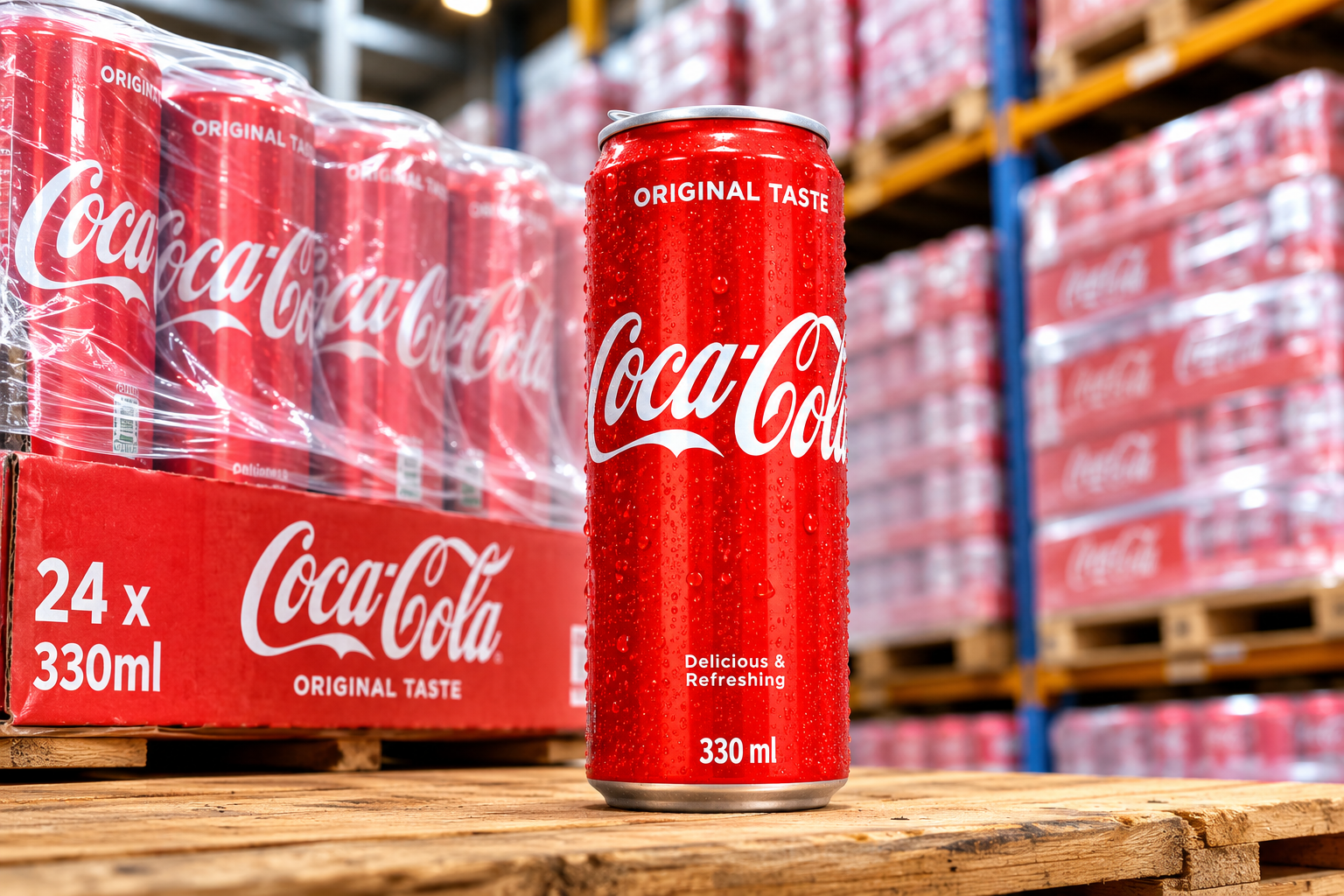
Coca-Cola 330ml wholesale refers to purchasing Coca-Cola 330ml cans in commercial quantities rather than buying individual retail units. Orders are typically placed by the case, pallet, container, or full truckload, depending on the buyer’s operational requirements.
Wholesale purchasing is commonly used by:
- Beverage importers
- Wholesale distributors
- Supermarket chains
- Convenience stores
- Hospitality businesses
- Catering companies
- Online grocery retailers
- Event suppliers
Buying in bulk simplifies inventory planning and supports consistent product availability for businesses serving regular customer demand.
Who Purchases Coca-Cola 330ml Wholesale?
The wholesale market for Coca-Cola extends across multiple industries.
Common buyers include:
- National beverage distributors
- Independent wholesalers
- Retail chains
- Local supermarkets
- Petrol station convenience stores
- Hotels
- Restaurants
- Bars
- Cafés
- Universities
- Sports venues
- Corporate catering companies
- Export companies
Each business has unique purchasing requirements, but all generally evaluate suppliers based on product availability, logistics capabilities, lead times, documentation, and service reliability.
Benefits of Buying Coca-Cola 330ml Wholesale
Purchasing Coca-Cola in bulk offers several operational advantages beyond product availability.
Consistent Inventory
Buying by the pallet helps businesses maintain reliable stock levels while reducing the need for frequent reordering.
Improved Supply Chain Planning
Bulk procurement enables businesses to coordinate purchasing schedules with warehousing capacity and transportation planning.
Greater Operational Efficiency
Receiving larger shipments reduces administrative workload associated with placing multiple small orders throughout the month.
Simplified Distribution
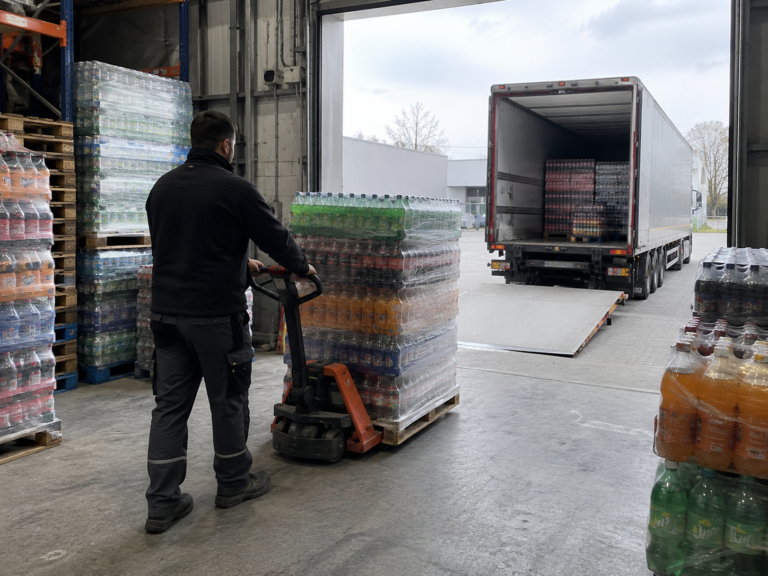
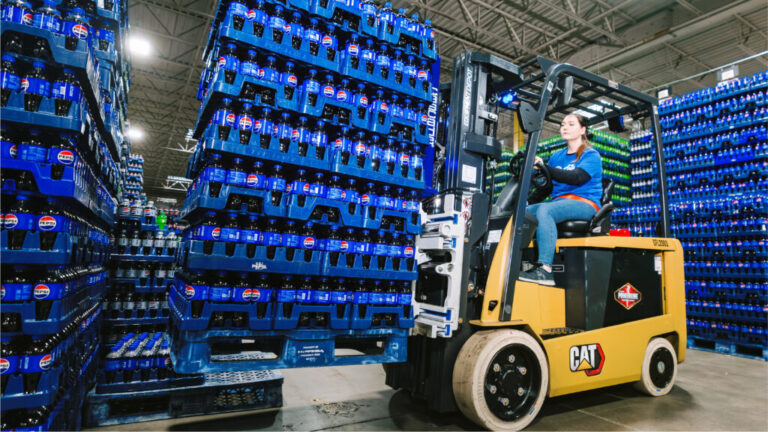
For wholesalers supplying multiple retail customers, palletized deliveries improve warehouse handling and distribution efficiency.
Typical Packaging Options
Although packaging formats vary between production facilities and destination markets, Coca-Cola 330ml is commonly supplied in:
| Packaging Format | Typical Application |
|---|---|
| 24-can case | Standard wholesale distribution |
| Shrink-wrapped trays | Promotional retail sales |
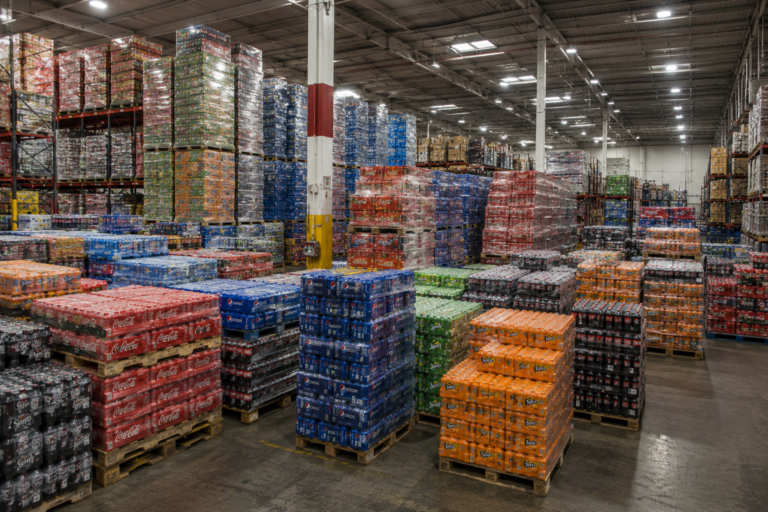
| Mixed pallets | Multi-brand beverage orders |
| Full pallets | Wholesale distribution |
| Full truckloads | National and international distribution |
Businesses should always confirm packaging specifications with their supplier before placing an order.
Understanding Pallet Configurations
Pallet specifications play an important role in transport planning, warehouse management, and overall procurement costs.
Before ordering, buyers should confirm:
- Cases per pallet
- Total cans per pallet
- Pallet dimensions
- Gross pallet weight
- Loading configuration
- Export pallet standards
- Container loading capacity
Understanding these specifications allows businesses to estimate warehouse space, transportation costs, and inventory turnover more accurately.
For information about global barcode and packaging standards used throughout international supply chains, see GS1 Global Standards
Factors That Influence Coca-Cola 330ml Wholesale Pricing
Wholesale pricing depends on several commercial factors rather than a fixed global price.
Order Volume
Larger purchases often improve purchasing efficiency because transportation and handling costs are distributed across a greater number of products.
Delivery Destination
Shipping costs vary depending on the destination country, transportation infrastructure, customs procedures, and local import regulations.
Freight Method
The selected transportation method influences total procurement costs.
Common options include:
- Road freight
- Sea freight
- Rail transport
- Intermodal shipping
Currency Exchange Rates
Businesses purchasing internationally should also consider exchange rate fluctuations, which may affect final invoice values depending on the transaction currency.
Taxes and Import Duties
VAT, customs duties, import taxes, and local regulatory requirements differ between countries. Buyers should understand all applicable charges before confirming an international purchase.
For guidance on European trade policies and international trade information, consult the European Commission – Trade
How to Choose a Reliable Coca-Cola 330ml Wholesale Supplier
Selecting a wholesale supplier involves more than comparing prices. A dependable supplier should be able to provide consistent product availability, transparent communication, accurate documentation, and efficient logistics support throughout the purchasing process.
When evaluating suppliers, consider the following criteria.
Product Availability
Reliable suppliers maintain sufficient inventory to support recurring wholesale orders and seasonal demand. Before placing an order, confirm product availability, packaging formats, and estimated lead times.
Industry Experience
Suppliers with experience in beverage distribution are generally better equipped to manage export documentation, pallet configurations, and international shipping requirements.
Transparent Quotations
A professional quotation should clearly state:
- Product description
- Packaging details
- Quantity
- Minimum order quantity (MOQ)
- Unit price
- Delivery terms
- Shipping costs (where applicable)
- Payment terms
- Quotation validity
Transparent quotations reduce the likelihood of misunderstandings later in the purchasing process.
Customer Support
Good communication is particularly important for international buyers. Your supplier should be able to answer questions about product specifications, logistics, documentation, and delivery schedules promptly.
Questions to Ask Before Placing a Wholesale Order
Before confirming an order, ask the supplier:
- What is the minimum order quantity?
- How many cases are included per pallet?
- What payment methods are accepted?
- Which Incoterms are available?
- What is the estimated production or dispatch time?
- Which countries do you deliver to?
- Are mixed pallet orders available?
- Which export documents are provided?
- What is the expected transit time?
- How is the shipment packaged for transport?
Clarifying these points early helps streamline procurement and minimizes the risk of delays.
International Shipping Considerations
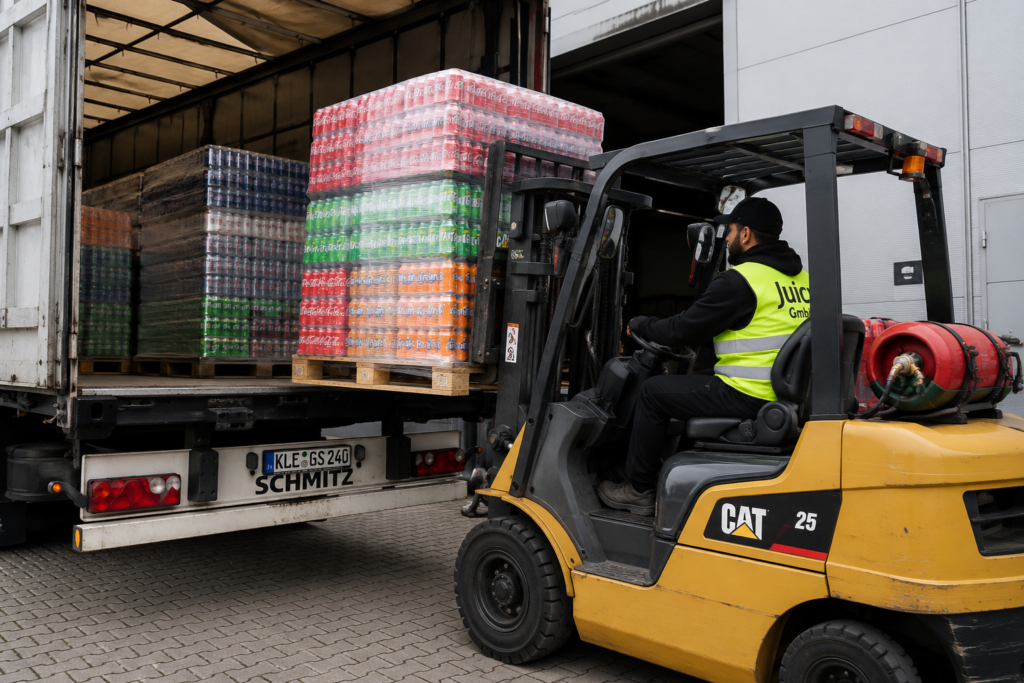
Many beverage wholesalers supply customers throughout Europe and international markets. Choosing the appropriate shipping method depends on order size, destination, budget, and delivery timeline.
Common transport options include:
- Full Truck Load (FTL)
- Less Than Truck Load (LTL)
- Sea Freight
- Full Container Load (FCL)
- Less than Container Load (LCL)
Each option offers different advantages depending on shipment volume and destination.
Understanding Incoterms®
International shipments typically use Incoterms®, a globally recognized set of trade rules published by the International Chamber of Commerce (ICC). These rules define the responsibilities of buyers and sellers during international transactions.
Official guidance is available from the International Chamber of Commerce (ICC)
Some of the most common Incoterms include:
FOB (Free On Board)
The seller is responsible for delivering the goods to the agreed port of shipment. Once the goods are loaded onto the vessel, responsibility transfers to the buyer.
FOB is commonly used when buyers prefer to arrange their own international freight and insurance.
CIF (Cost, Insurance, and Freight)
Under CIF, the seller arranges transportation and marine insurance to the destination port. The buyer remains responsible for import clearance, customs duties, taxes, and inland transportation after arrival.
CIF is often preferred by businesses seeking a more streamlined shipping process.
Understanding the selected Incoterm before placing an order helps both parties clearly define their obligations and avoid unnecessary disputes.
Export Documentation
International beverage shipments generally require documentation to facilitate customs clearance and regulatory compliance.
Common export documents include:
- Commercial Invoice
- Packing List
- Certificate of Origin (where applicable)
- Bill of Lading or CMR
- Export Declaration
- Customs documentation required by the destination country
Documentation requirements vary depending on the importing country’s regulations. Buyers should verify local requirements before shipment.
Warehousing and Inventory Management
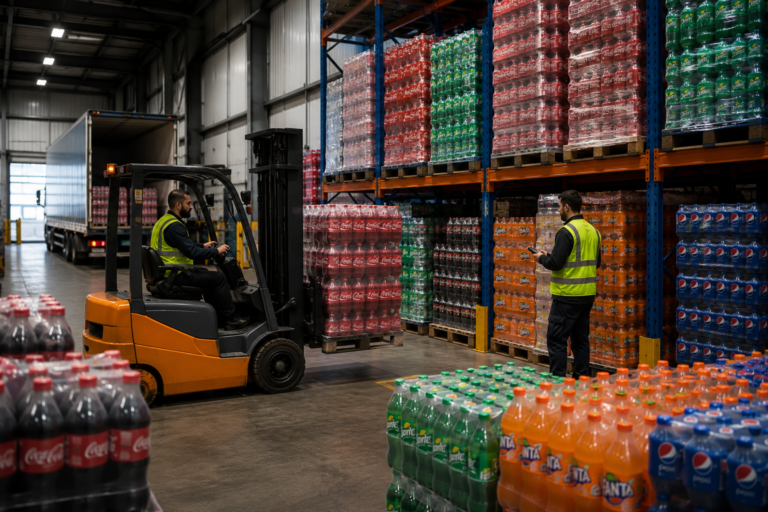
Proper warehouse management helps preserve product quality and improves inventory control.
Businesses purchasing Coca-Cola 330ml wholesale should consider:
- Available warehouse capacity
- Pallet stacking limits
- Inventory rotation procedures
- Product accessibility
- Climate conditions
- Delivery scheduling
Implementing a First-In, First-Out (FIFO) inventory system helps ensure older stock is distributed before newer deliveries.
Storage Best Practices
Proper storage conditions support product quality throughout its shelf life.
Recommended practices include:
- Store products in a cool, dry location.
- Keep pallets away from direct sunlight.
- Protect products from excessive humidity.
- Avoid unnecessary handling that could damage packaging.
- Follow pallet stacking recommendations provided by the supplier.
For food safety guidance within Europe, businesses can consult the European Food Safety Authority (EFSA)
Common Mistakes Wholesale Buyers Should Avoid
Even experienced buyers can encounter avoidable procurement challenges. Understanding these common mistakes can improve purchasing decisions and reduce operational risks.
Choosing a Supplier Based Only on Price
While competitive pricing is important, it should not be the only deciding factor. Service quality, communication, documentation, and logistics support are equally important.
Ignoring Total Landed Cost
The product price represents only part of the overall procurement cost.
Businesses should also account for:
- Freight charges
- Customs duties
- VAT
- Insurance
- Port charges
- Inland transportation
- Currency fluctuations
Evaluating the total landed cost provides a more accurate understanding of procurement expenses.
Not Confirming Product Specifications
Always verify:
- Packaging format
- Number of cans per case
- Cases per pallet
- Pallet dimensions
- Product origin
- Shelf life
Confirming these details before shipment helps prevent misunderstandings.
Failing to Review Shipping Terms
Incoterms determine responsibility for transportation, insurance, customs procedures, and delivery obligations. Businesses should ensure they understand the agreed shipping terms before confirming an order.
Ordering Without Forecasting Demand
Purchasing excessive inventory can increase storage costs, while ordering too little may lead to stock shortages.
Demand forecasting based on sales history and seasonal trends helps optimize purchasing decisions.
Why Long-Term Supplier Relationships Matter
Many businesses benefit from establishing ongoing relationships with reliable beverage wholesalers rather than sourcing products from multiple suppliers.
Long-term partnerships can offer advantages such as:
- Consistent product availability
- Simplified procurement processes
- Improved communication
- Better production planning
- More predictable lead times
- Greater operational efficiency
Maintaining a dependable supply chain is especially important for businesses serving retailers, hospitality venues, and food service operators where uninterrupted stock availability is critical.
Looking for reliable pallet soft drink suppliers in Europe? Discover how bulk beverage sourcing, flexible pallet options, and efficient cross-border distribution can simplify procurement for wholesalers, retailers, and importers.
Frequently Asked Questions
1. What is Coca-Cola 330ml wholesale?
Coca-Cola 330ml wholesale refers to purchasing Coca-Cola 330ml cans in bulk quantities—typically by the case, pallet, or container—from a wholesale supplier or distributor for commercial resale or business use.
2. Who can buy Coca-Cola 330ml wholesale?
Wholesale Coca-Cola is commonly purchased by supermarkets, wholesalers, convenience stores, distributors, hotels, restaurants, cafés, catering companies, vending operators, and beverage importers.
3. What is the typical minimum order quantity?
Minimum order quantities (MOQs) vary by supplier. Some wholesalers accept mixed pallets, while others require full pallets or larger orders. Buyers should confirm MOQ requirements before requesting a quotation.
4. What affects Coca-Cola 330ml wholesale pricing?
Several factors influence wholesale pricing, including:
- Order quantity
- Packaging configuration
- Delivery destination
- Freight method
- Currency exchange rates
- Customs duties
- VAT or local taxes
- Incoterms®
The final landed cost depends on the combination of these factors.
5. Can Coca-Cola 330ml be exported internationally?
Yes. Many beverage wholesalers supply international customers across Europe and other global markets. Export availability depends on destination-country regulations, customs requirements, and the supplier’s distribution network.
6. Which shipping methods are commonly used?
Common transport options include:
- Road freight
- Sea freight
- Full Truck Load (FTL)
- Less Than Truck Load (LTL)
- Full Container Load (FCL)
- Less than Container Load (LCL)
The appropriate method depends on shipment volume, destination, and delivery timeline.
7. Which documents are usually included with an export shipment?
International beverage shipments commonly include:
- Commercial Invoice
- Packing List
- Bill of Lading or CMR
- Certificate of Origin (where applicable)
- Export Declaration
- Customs documentation required by the destination country
Document requirements vary by market and should always be confirmed before shipment.
8. How should Coca-Cola 330ml be stored?
For optimal product quality:
- Store in a cool, dry environment.
- Avoid direct sunlight.
- Protect products from excessive moisture.
- Rotate inventory using the First-In, First-Out (FIFO) method.
- Follow pallet stacking recommendations.
Proper storage helps maintain product integrity throughout its shelf life.
9. What should businesses consider when choosing a wholesale supplier?
A reliable supplier should provide:
- Transparent quotations
- Consistent stock availability
- Export experience
- Professional customer support
- Clear shipping terms
- Accurate documentation
- Reliable logistics partners
Evaluating these factors helps businesses build a dependable supply chain.
10. Why are Incoterms important when buying wholesale beverages?
Incoterms define the responsibilities of buyers and sellers during international trade. Understanding whether a shipment is offered under terms such as FOB or CIF helps clarify who is responsible for transportation, insurance, customs procedures, and delivery costs.
For detailed guidance, refer to the International Chamber of Commerce (ICC) Incoterms® Rules
11. Are mixed pallet orders available?
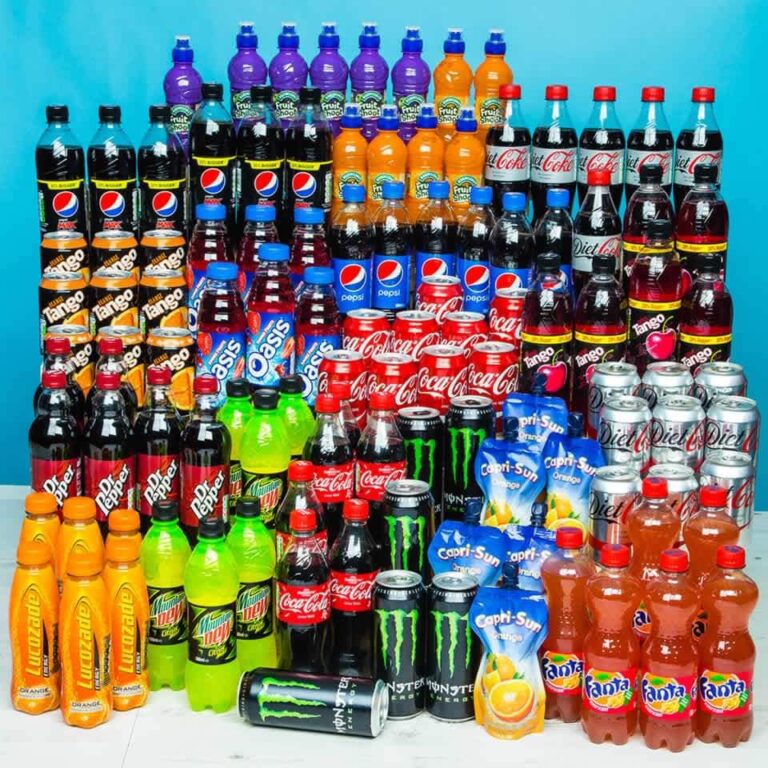
Some beverage wholesalers offer mixed pallet options that allow businesses to combine different soft drink brands or product varieties within a single shipment. Availability depends on the supplier’s inventory and order policies.
12. Why is Coca-Cola 330ml a popular wholesale product?
The 330ml can is widely recognized, easy to merchandise, and suitable for a broad range of retail and hospitality environments. Its consistent consumer demand makes it a practical choice for businesses purchasing beverages in bulk.
Conclusion
Coca-Cola 330ml remains one of the most established products in the global soft drinks market, making it a reliable option for wholesalers, distributors, retailers, and hospitality businesses seeking consistent consumer demand.
However, successful wholesale purchasing involves more than selecting a product. Buyers should evaluate supplier reliability, packaging specifications, minimum order quantities, shipping options, export documentation, and applicable Incoterms before placing an order. Taking these factors into account helps reduce procurement risks and supports a more efficient supply chain.
Working with an experienced beverage wholesaler that provides transparent communication, accurate documentation, and dependable logistics can simplify the purchasing process and contribute to long-term operational success.
For businesses sourcing beverages across Europe or international markets, careful planning and informed supplier selection remain essential components of an effective wholesale strategy.
Call to Action
If your business is looking for a reliable Coca-Cola 330ml wholesale supplier, request a detailed quotation that includes product specifications, pallet configuration, minimum order quantities, available Incoterms, estimated lead times, and shipping options.
A comprehensive quotation allows you to compare supply options, evaluate total procurement costs, and make informed purchasing decisions that support your business objectives.