Table of Contents
Introduction
Finding a reliable Pepsi Wholesale Supplier requires more than identifying the company offering the lowest case price. Retailers, importers, and beverage distributors must also evaluate product availability, packaging specifications, minimum order quantities, delivery terms, documentation, and the supplier’s ability to fulfil repeat orders.
Pepsi remains part of a globally recognised beverage portfolio. PepsiCo presents Pepsi among its international food and drink brands on its official brand directory, making it a familiar product for supermarkets, convenience stores, wholesalers, restaurants and hospitality businesses across many markets.
However, strong consumer recognition does not automatically make every wholesale offer commercially suitable. A buyer must confirm that the product format matches local demand, that labels comply with the destination market and that the total landed cost leaves enough room for profitable resale.
This guide explains how to compare Pepsi suppliers, calculate the real cost of an order and build a more dependable wholesale beverage procurement process.
What Is a Pepsi Wholesale Supplier?
A Pepsi Wholesale Supplier is a business that sells Pepsi products in commercial quantities to other businesses rather than primarily serving individual consumers.
Depending on its position in the supply chain, the supplier may operate as a:
- Beverage wholesaler
- FMCG distributor
- Export trading company
- Cash-and-carry supplier
- Importer
- Warehouse distributor
- Foodservice supplier
- Regional beverage distributor
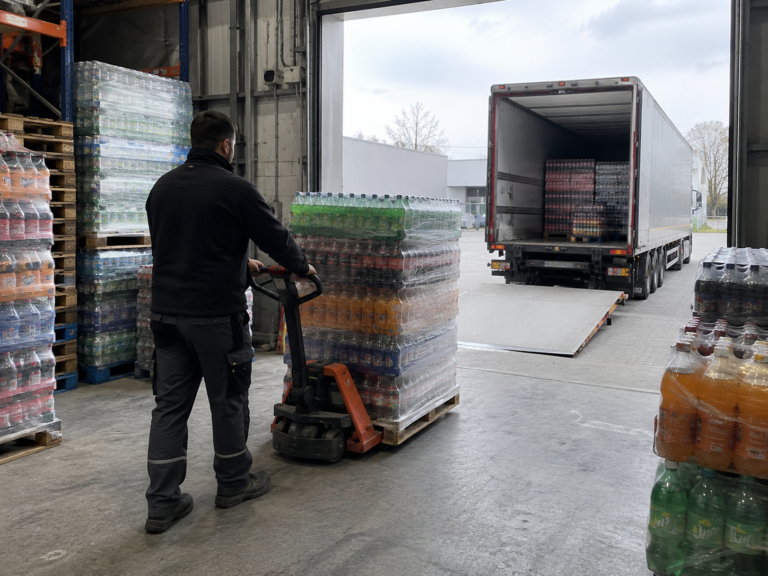
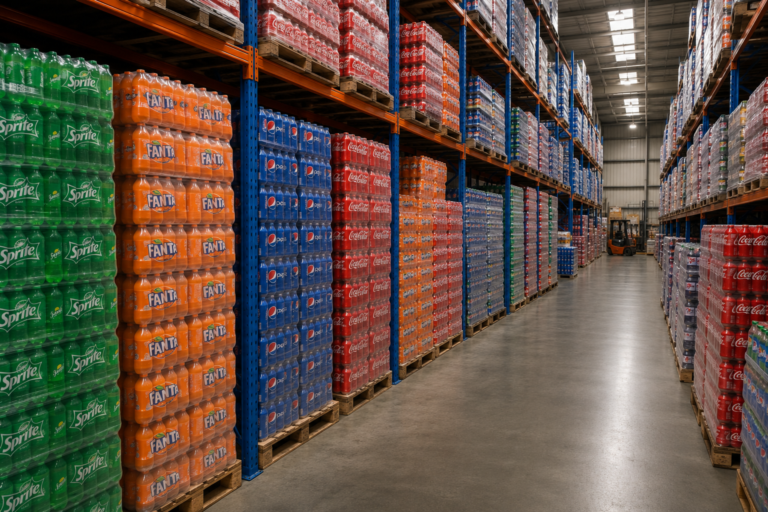
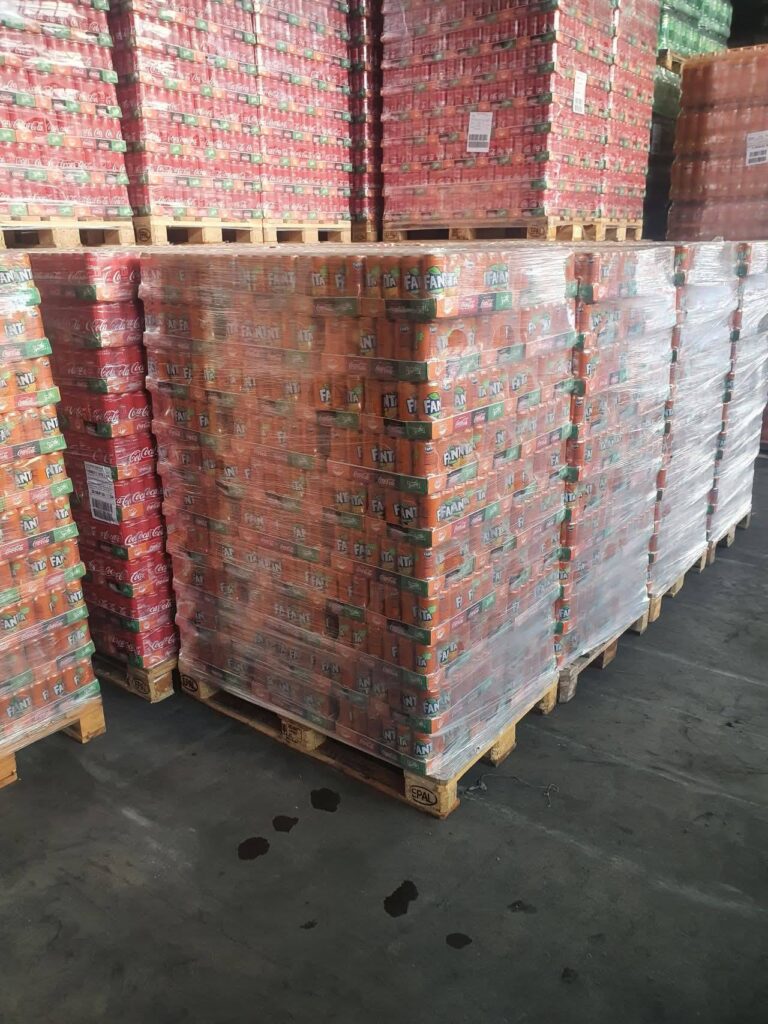
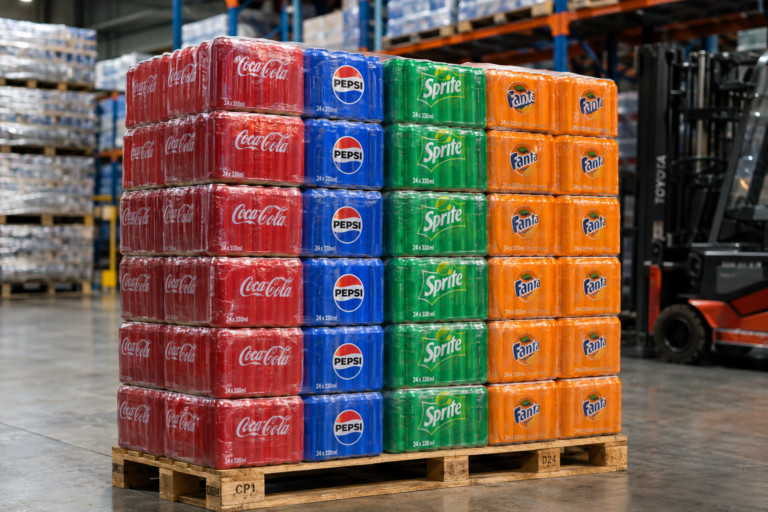
A wholesale supplier may sell full cases, single-product pallets, mixed pallets, truckloads or container quantities. Some suppliers concentrate on domestic delivery, while others coordinate international road or sea freight.
The supplier’s role can include more than releasing stock from a warehouse. An experienced exporter may also assist with:
- Pallet preparation
- Commercial invoices
- Packing lists
- Export declarations
- Freight coordination
- Customs information
- Product specifications
- Delivery documentation
This operational support becomes especially important when Pepsi is being purchased across borders.
Why Businesses Buy Pepsi in Bulk
Recognised soft-drink products can provide dependable sales opportunities across several commercial channels. PepsiCo states that its portfolio includes drinks and food brands sold internationally, demonstrating the extensive market recognition behind products such as Pepsi. More information about the company and its portfolio is available through the official PepsiCo website.
Businesses commonly buy Pepsi in bulk to:
- Lower procurement costs per unit
- Maintain sufficient retail inventory
- Reduce the frequency of small orders
- Supply several stores or commercial customers
- Consolidate beverage purchasing
- Prepare for seasonal demand
- Improve transport efficiency
- Build a consistent product range
Wholesale purchasing is particularly relevant for:
- Supermarkets
- Independent retailers
- Convenience stores
- Cash-and-carry businesses
- Beverage importers
- Regional distributors
- Hotels and restaurants
- Catering companies
- Event suppliers
- Vending operators
- Online grocery stores
The commercial advantage depends on purchasing an appropriate quantity. A low case price can still create poor results if the buyer orders more stock than the business can sell before the product’s best-before date.
Pepsi Products Commonly Available Wholesale
Product availability varies by supplier, country and production market. Buyers should request the exact product specification rather than assuming that every supplier carries the same Pepsi range.
Pepsi Original
Pepsi Original is commonly purchased by supermarkets, wholesalers, restaurants and convenience retailers. It may be supplied in cans, PET bottles or multipacks depending on the source market.
Pepsi Zero-Sugar Products
Zero-sugar variants can help retailers serve consumers looking for alternatives to traditional sugar-sweetened soft drinks. Product naming and packaging can differ between markets, so the precise label and product code should be confirmed before ordering.
Pepsi Cans
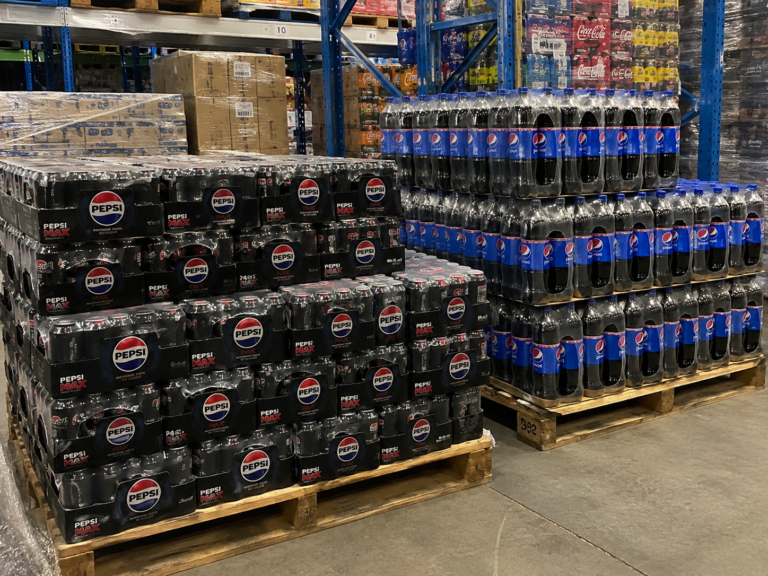
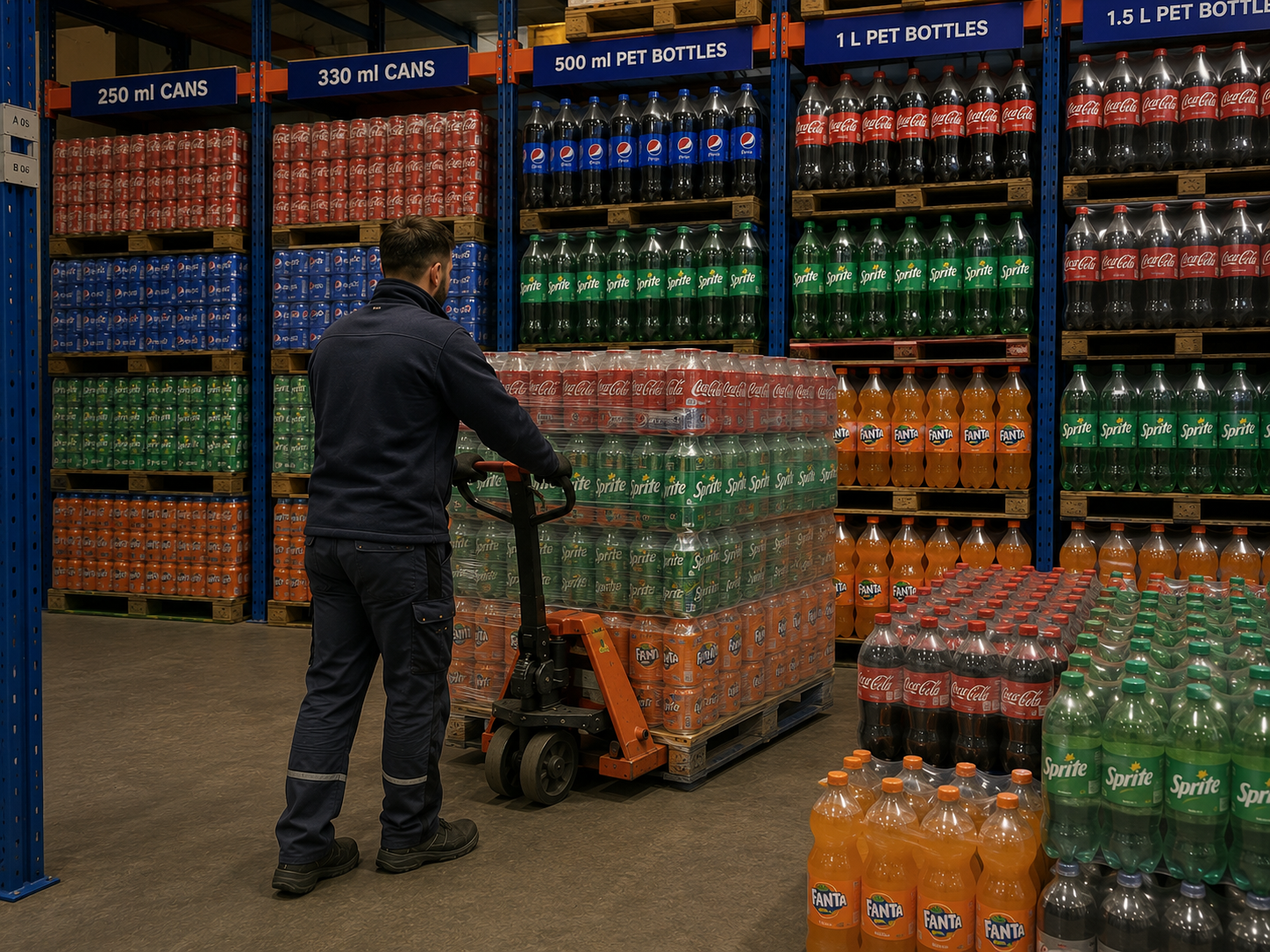
Frequently requested can sizes include:
- 330 ml
- 355 ml
The number of cans in each tray and the number of trays on each pallet may vary. Buyers should therefore request a written pallet configuration.
Pepsi PET Bottles
Common wholesale bottle formats may include:
- 500 ml
- 1 litre
- 1.5 litres
- 2 litres
Smaller bottles often suit convenience and foodservice channels, while larger bottles are commonly positioned for household consumption.
Pepsi Multipacks
Retail-ready configurations can include:
- Six-can packs
- Twelve-can packs
- Twenty-four-can trays
- Shrink-wrapped bottle packs
Before confirming an order, check whether the goods will arrive as retail multipacks or wholesale trays. This difference can affect shelf presentation and resale strategy.
Packaging Specifications Buyers Must Confirm
A professional quotation should identify more than the product name and general quantity.
Ask the supplier to confirm:
| Specification | Why It Matters |
|---|---|
| Individual unit size | Confirms the exact product format |
| Units per case | Determines the real case cost |
| Cases per pallet | Determines total order volume |
| Gross pallet weight | Affects transport planning |
| Pallet dimensions | Affects storage and vehicle capacity |
| Product language | Influences local compliance |
| Country of origin | May affect import procedures |
| Best-before date | Affects resale time |
| Barcode or EAN | Supports inventory and retail systems |
| Pallet type | May affect exchange or disposal costs |
A quotation that only says “one pallet of Pepsi” is incomplete. The buyer needs enough information to calculate the total number of cans or bottles being purchased.
Why Germany Is Important for European Beverage Distribution
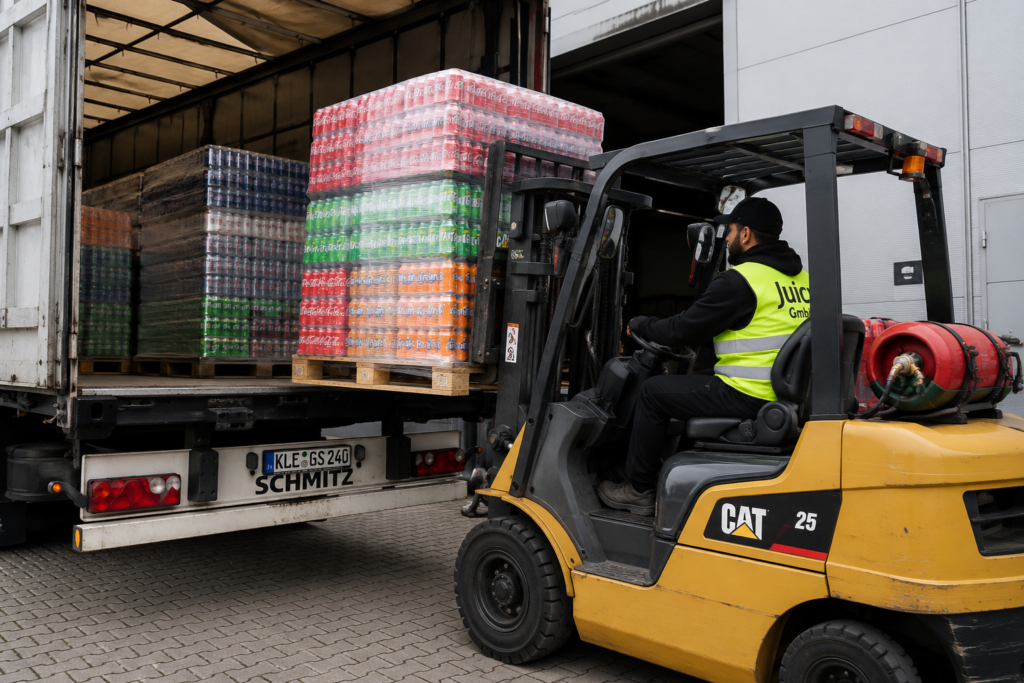
Germany’s central European location makes it commercially useful for road distribution to neighbouring and nearby markets. Beverage shipments can be arranged from German warehouses to destinations such as France, Belgium, the Netherlands, Austria, Poland, the Czech Republic and other European countries.
German-based wholesalers may also coordinate exports to non-EU destinations through European seaports.
However, location alone does not guarantee a good supplier. Buyers should still evaluate:
- Actual warehouse stock
- Product provenance
- Delivery capabilities
- Packaging condition
- Export experience
- Commercial transparency
- Responsiveness
A supplier should never be selected solely because its website claims to be based in Germany.
How to Choose a Reliable Pepsi Wholesale Supplier
1. Verify the Business
Before transferring money, check that the supplier operates as an identifiable commercial entity.
Request or verify:
- Registered company name
- Physical business address
- Registration details
- VAT identification, where applicable
- Company-domain email address
- Official quotation
- Bank account beneficiary
- Commercial terms
The company name on the quotation, invoice and bank account should be consistent. Unexplained differences should be clarified before payment.
2. Request a Detailed Product Specification
The supplier should identify:
- Pepsi variant
- Can or bottle size
- Units per case
- Cases per pallet
- Total units
- Product language
- Origin
- Best-before date
- Pallet configuration
Product photographs can support verification, but photographs alone should not replace written specifications.
3. Confirm Available Inventory
Ask whether the quotation is based on stock that is currently available or stock expected from another source.
This distinction affects:
- Dispatch time
- Order reliability
- Product dating
- Final quantity
- Delivery schedule
For a large or recurring order, ask how frequently the supplier replenishes inventory.
4. Compare Total Cost, Not Only Case Price
The cheapest case price does not necessarily produce the lowest delivered cost.
The total commercial cost may include:
- Product value
- Pallet charges
- Warehouse handling
- Freight
- Cargo insurance
- Export documentation
- Customs duties
- Import VAT
- Local delivery
- Port or terminal charges
Two suppliers can quote the same product at different case prices while producing the opposite result once transport and import costs are included.
5. Review Delivery Terms
The quotation should state who is responsible for transport, insurance, customs clearance and delivery.
International transactions frequently refer to Incoterms®. The International Chamber of Commerce explains that the current system contains 11 three-letter trade rules used to clarify important seller and buyer responsibilities. Buyers can review the official framework on the ICC Incoterms® rules page.
Incoterms® do not replace a complete sales contract. The quotation or agreement should still address the products, price, payment conditions, quality requirements, and delivery schedule.
Common Delivery Terms for Wholesale Beverage Orders
| Term | General Commercial Meaning |
|---|---|
| EXW | Buyer collects from the seller’s named premises and assumes most transport responsibility |
| FCA | Seller delivers the goods to the carrier at the agreed place |
| FOB | Used for sea or inland-waterway transport; seller places the goods on board at the named port |
| CIF | Seller arranges cost, insurance and freight to the named destination port |
| DAP | Seller transports the goods to the named destination; import clearance generally remains with the buyer |
| DDP | Seller assumes extensive delivery and import responsibilities, subject to what is legally and practically possible |
The named place must appear with the selected rule. “DAP France” is less precise than “DAP [complete delivery address], France.”
Because Incoterms® allocate responsibilities differently, the buyer should verify the selected rule through the ICC’s official Incoterms® 2020 guidance before signing the order.
How Pepsi Wholesale Pricing Is Calculated
Wholesale pricing changes according to the order rather than remaining permanently fixed.
Order Volume
A supplier may offer different price levels for:
- One pallet
- Several pallets
- A full truckload
- A twenty-foot container
- A forty-foot container
- Recurring scheduled orders
Larger quantities can improve unit economics, although buyers should not order excessive stock merely to access a lower price.
Packaging Format
A 330 ml can, 500 ml bottle and 1.5-litre bottle have different packaging, handling, weight and transport characteristics. Prices should therefore be compared using the same unit and configuration.
Product Origin
Product language, production market and source country can affect availability and resale suitability.
Freight
Transport costs are influenced by:
- Distance
- Pallet weight
- Number of pallets
- Vehicle type
- Fuel costs
- Ferry or toll charges
- Port charges
- Delivery accessibility
- Seasonal capacity
Taxes and Duties
Cross-border buyers must determine whether import VAT, customs duties, excise-related charges or local environmental fees apply.
The European Commission’s Access2Markets portal allows businesses to research tariffs, taxes, rules of origin, import procedures and product requirements for specific trade routes.
This official resource should be consulted before relying on a general estimate from a supplier.
A Simple Landed-Cost Calculation
Suppose a buyer orders five pallets.
The final calculation should include:
| Cost Component | Example Calculation |
|---|---|
| Product cost | Cases × price per case |
| Freight | Rate per pallet × five pallets |
| Handling | Applicable warehouse or terminal fees |
| Insurance | Cargo insurance where required |
| Duty | Customs value × applicable duty rate |
| Import VAT | Calculated according to destination rules |
| Local delivery | Port or terminal to final address |
The buyer can then calculate:
Landed cost per case = Total delivered order cost ÷ Total number of cases
This figure is more useful than the supplier’s initial case price because it shows what the goods actually cost when they reach the business.
Minimum Order Quantities and Pallet Options
A supplier’s minimum order quantity should match the buyer’s business size and sales capacity.
Full Single-Product Pallet
A full pallet of one Pepsi format is suitable when:
- Demand is already established
- The product sells consistently
- Storage space is available
- The buyer wants straightforward inventory control
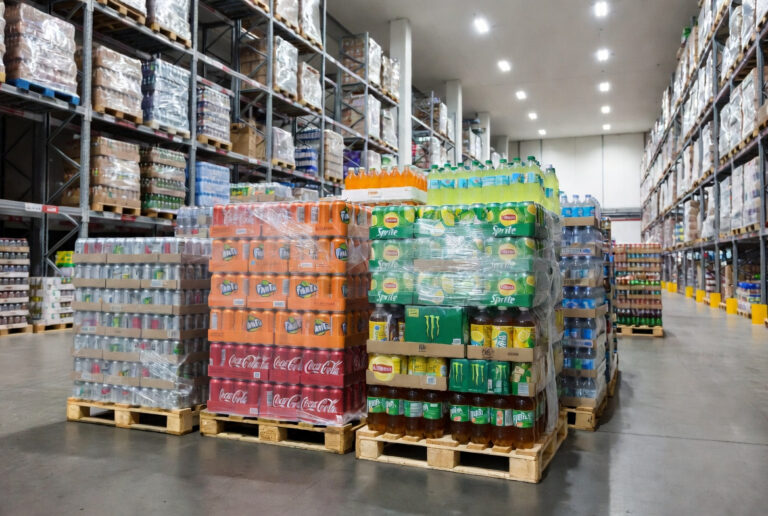
Mixed Pallet
A mixed pallet may allow several beverage products or variants to be combined.
Potential benefits include:
- Broader product selection
- Lower exposure to one product
- Easier demand testing
- Reduced overstock risk
- Better use of limited warehouse space
Mixed pallets can involve additional picking or handling costs. Buyers should also confirm whether each layer or case configuration can be customised.
Truckload or Container Order
Larger shipments may suit importers and established distributors with:
- Confirmed demand
- Sufficient working capital
- Suitable storage
- Customs experience
- Regional distribution capacity
Higher volume creates greater financial exposure, making supplier verification and cargo documentation even more important.
Product Labelling and Market Compliance
A product being genuine and safe does not automatically mean its label is suitable for every destination.
For products sold in the European Union, food information must comply with applicable EU rules. The European Commission explains that mandatory food information must allow consumers to understand the content and composition of food products. Its official labelling and nutrition guidance provides an overview of the framework.
Businesses should check:
- Product name
- Ingredient list
- Nutrition declaration
- Allergen information, where relevant
- Net quantity
- Best-before date
- Storage instructions
- Responsible food-business operator
- Language requirements
- Lot identification
EU rules require mandatory food information to appear in a language easily understood by consumers in the country where the product is marketed. The relevant requirement is explained in the Commission’s food-information language guidance.
Importers should verify local requirements before shipment rather than assuming that a product labelled for one European country can automatically be sold in every other country.
Documents Used in International Beverage Shipping
The exact documentation depends on the route and delivery term, but an international Pepsi order may require the following.
Commercial Invoice
The commercial invoice normally identifies:
- Seller
- Buyer
- Products
- Quantity
- Unit value
- Total value
- Currency
- Delivery term
- Country of origin
- Payment details
Packing List
The packing list provides physical shipment details, such as:
- Number of pallets
- Cases per pallet
- Total cases
- Gross weight
- Net weight
- Dimensions
CMR Consignment Note
A CMR document is commonly associated with international road transport.
Bill of Lading
Sea-freight shipments generally use a Bill of Lading issued in connection with the ocean carriage.
Export Declaration
Goods leaving the relevant customs territory may require an export declaration.
Certificate of Origin
A certificate of origin may be requested depending on the destination, trade arrangement or customs procedure.
Buyers can use Access2Markets to research documentation and formalities for trade between the EU and specific non-EU markets.
The Pepsi Wholesale Ordering Process
Step 1: Submit a Complete Inquiry
Provide:
- Company name
- Contact person
- Billing address
- Delivery address
- VAT or tax number, where applicable
- Product required
- Packaging size
- Quantity
- Destination
- Preferred delivery term
Step 2: Receive the Quotation
The quotation should show:
- Product description
- Unit price
- Number of units or cases
- Pallet configuration
- Total product value
- Freight
- Taxes, where quoted
- Payment terms
- Delivery term
- Estimated dispatch period
- Quotation validity
Step 3: Verify the Offer
Compare the quotation with the product specification and confirm that the supplier’s business information is consistent.
Step 4: Confirm the Order
Once accepted, the supplier may issue a proforma invoice. Review it carefully before payment.
Step 5: Payment and Allocation
After payment is confirmed, the supplier allocates or prepares the goods according to the agreed terms.
Step 6: Warehouse Preparation
The warehouse may:
- Pick the cases
- Inspect visible packaging
- Build or confirm the pallets
- Apply protective wrapping
- Attach transport labels
- Prepare shipping documents
- Release the goods to the carrier
Step 7: Transport and Delivery
The buyer should receive the relevant transport documents and, where available, tracking or carrier updates.
Step 8: Delivery Inspection
At delivery, check:
- Pallet count
- Visible damage
- Case count
- Product format
- Best-before dates
- Transport-document remarks
Any visible shortage or damage should be documented promptly according to the carrier’s claims procedure.
Red Flags When Comparing Pepsi Suppliers
Exercise caution when a seller:
- Refuses to provide registered business information
- Uses inconsistent company and bank-account names
- Offers prices far below realistic market levels without explanation
- Cannot provide a formal quotation
- Avoids written product specifications
- Pressures the buyer to pay immediately
- Changes bank details without a clear reason
- Provides copied or inconsistent warehouse images
- Cannot explain pallet configuration
- Promises customs outcomes it does not control
- Requests payment through an inappropriate personal method
- Refuses to state delivery terms
No single signal automatically proves wrongdoing, but several inconsistencies should stop the transaction until the facts are verified.
How to Compare Wholesale Quotations
Use a consistent comparison table.
| Evaluation Area | Supplier A | Supplier B | Supplier C |
|---|---|---|---|
| Product size | |||
| Units per case | |||
| Cases per pallet | |||
| Price per case | |||
| Product value | |||
| Freight | |||
| Handling charges | |||
| Delivery term | |||
| Best-before period | |||
| Estimated dispatch | |||
| Total landed estimate | |||
| Cost per case delivered |
This prevents a low headline price from hiding a smaller case quantity, shorter date, higher freight charge or less favourable delivery term.
Expert Procurement Insights
Avoid Buying More Than You Can Sell
Volume discounts only create value when the stock sells within a commercially reasonable period.
Build a Reorder Point
Do not wait until the warehouse is almost empty. Set a reorder point based on:
- Average weekly sales
- Supplier preparation time
- Transit time
- Customs time
- Safety stock
Keep Product Specifications Consistent
Changing between packaging intended for different markets can create problems with barcodes, labels, customer expectations, and shelf presentation.
Request Updated Quotations
Beverage and freight prices can change. Confirm that the quotation remains valid before making payment.
Evaluate Performance After Every Order
Record:
- Dispatch accuracy
- Delivery time
- Damage rate
- Documentation quality
- Communication
- Product dating
- Final landed cost
This information helps determine whether the supplier deserves repeat business.
Businesses comparing available can and bottle formats can review our wholesale Pepsi products before requesting a quotation.
7. FAQ Section
1. How do I find a reliable Pepsi Wholesale Supplier?
Verify the supplier’s legal business identity, warehouse or operating address, product specifications, commercial documentation and payment details. Compare total delivered costs rather than selecting a supplier solely by case price.
2. Can I buy Pepsi directly by the pallet?
Many beverage wholesalers sell Pepsi by the pallet. The exact number of cases and units depends on the packaging format and pallet configuration, so request written specifications before ordering.
3. What is the minimum order for wholesale Pepsi?
The minimum order differs between suppliers. It may be one pallet, several pallets, a truckload or a container. Some wholesalers also establish higher minimum quantities for international deliveries.
4. Is it possible to order a mixed beverage pallet?
Some suppliers offer mixed pallets containing several soft-drink products or flavours. Availability, minimum quantities and additional handling charges should be confirmed in the quotation.
5. What information is required for a Pepsi quotation?
Provide the product variant, packaging size, number of pallets or cases, delivery country, full delivery address and company details. International buyers may also need to provide a VAT or tax number.
6. What determines the Pepsi wholesale price?
The price can depend on product format, order quantity, origin, stock availability, best-before date, freight, delivery terms, currency and destination-market requirements.
7. What is the difference between the product price and landed cost?
The product price covers the goods. Landed cost includes the goods plus relevant freight, handling, insurance, duties, import taxes and local-delivery expenses.
8. Can a German Pepsi supplier deliver to other European countries?
A German wholesaler may arrange road freight to other European destinations if it has suitable logistics capabilities. The buyer should request a quotation showing the named destination and agreed delivery term.
9. Can Pepsi be exported outside the European Union?
Yes, subject to stock availability, supplier capability and the destination country’s import rules. Buyers should research tariffs, documentation and product requirements through the European Commission’s Access2Markets portal.
10. Which documents come with a wholesale beverage shipment?
Documents may include a commercial invoice, packing list, transport document, export declaration and certificate of origin. Requirements depend on the route, Incoterm and destination country.
11. Why is the label language important?
Food and beverage information must comply with the rules of the market where the product will be sold. Within the EU, mandatory information must be understandable to consumers in the destination member state.
12. How can I request an accurate Pepsi wholesale quote?
State the exact Pepsi variant, unit size, required quantity, destination, company information, and preferred delivery term. Request separate figures for the product, freight and other charges so you can calculate the landed cost.
8. Conclusion
Choosing a Pepsi Wholesale Supplier is a supply-chain decision, not simply a search for the lowest advertised price.
A dependable supplier should provide clear product specifications, verifiable company information, realistic order conditions, suitable best-before dates and transparent shipping terms. International buyers must also consider product labelling, customs documentation, taxes and the responsibilities assigned under the selected Incoterm.
Compare quotations using the delivered cost per case. Confirm the number of units, product language, country of origin, pallet configuration and delivery destination before approving a proforma invoice.
A careful purchasing process protects working capital, reduces delivery problems and creates a stronger foundation for repeat wholesale orders.
Request a Pepsi Wholesale Quotation
Looking for a dependable Pepsi Wholesale Supplier for retail, distribution, hospitality or import requirements?
Send us:
- Your required Pepsi format
- Number of cases or pallets
- Company name
- Delivery address
- Destination country
- VAT or tax number, where applicable
Our wholesale team will review product availability, pallet specifications, and delivery options before preparing your commercial quotation.
Request a Pepsi wholesale quote or contact our beverage supply team to discuss your order.